Answer to Question 1Soils that form in semi-arid regions contain less organic matter than the soils of more humid areas, so
horizon A is lighter colored and contains more unstable minerals because of less intense chemical
weathering. Calcium carbonate precipitates in horizon B, forming caliche, as soil water evaporates.
Soils that form in humid regions have most of the soluble minerals are leached from horizon A, but
that horizon contains abundant organic matter. Aluminum-rich clays and iron oxides tend to
accumulate in horizon B.
Answer to Question 2Soil formation begins at the surface and proceeds downward. The process begins with the weathering
of bedrock, a stage that resembles soil horizon C, and proceeds from increased leaching, organic
activity, and organic material content to the formation of humus, or soil horizon O.


 Some of the bacteria that can fix atmospheric nitrogen, converting it into a form usable by plants.
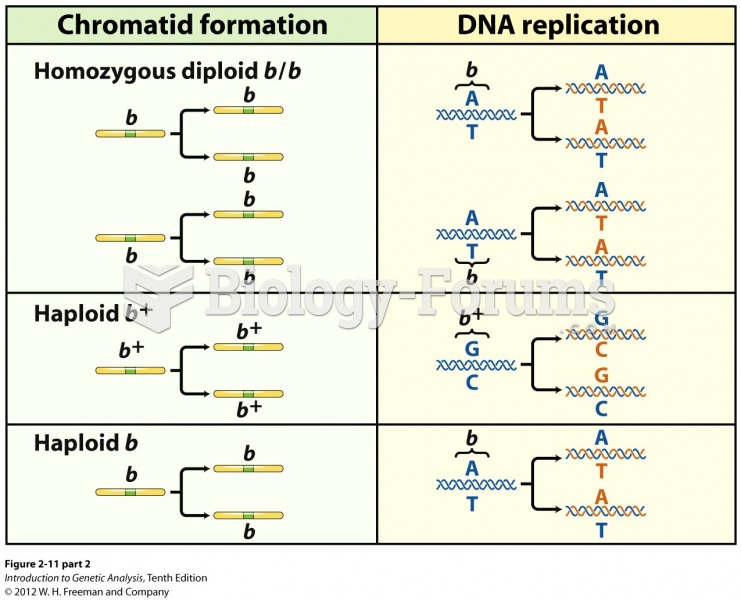 DNA molecules replicate to form identical chromatids
 Sample budget spreadsheet form for first year of business.
 How to calculate annuity when compounded semi-annually (Part 1)
 World Regions in Global Context: Peoples, Places, and Environments
 Days 18–23 Bumps of mesoderm (somites) form. They will develop into the dermis and most of the ...