
This topic contains a solution. Click here to go to the answer
|
|
|

 Assessing a person's spiritual and religious beliefs is an imiportant aspect of nursing care
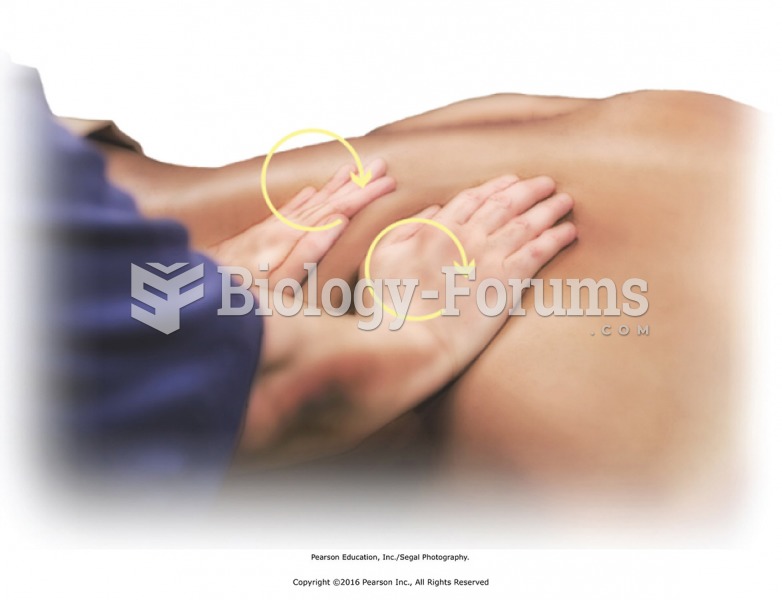 Starting at the waist, apply circular two-handed petrissage over the entire right side. Keep hands ...
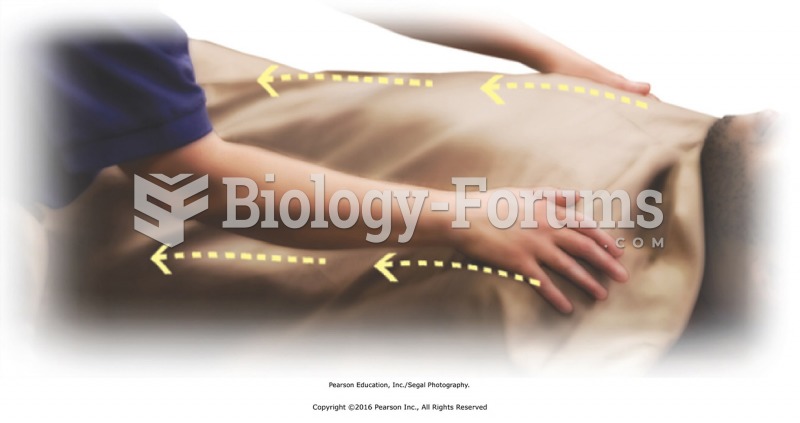 Finish the entire session with brushing over front of the body. Apply brushing movements with ...
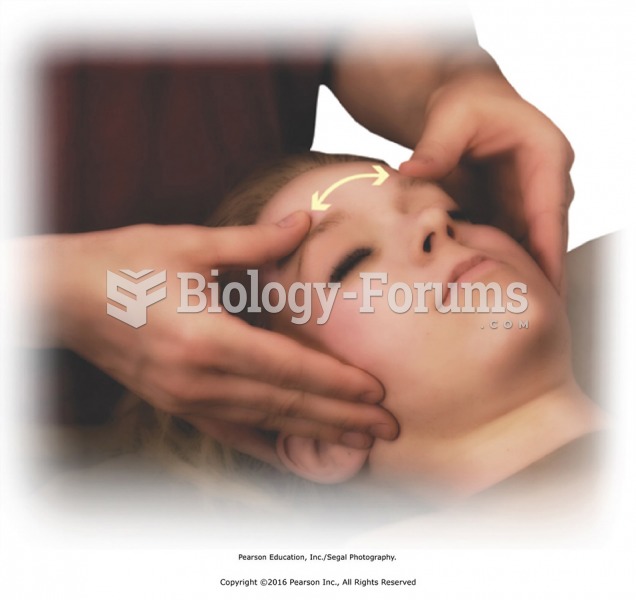 Apply effleurage to forehead with thumbs. Stroke from middle of forehead to the temples. Begin just ...
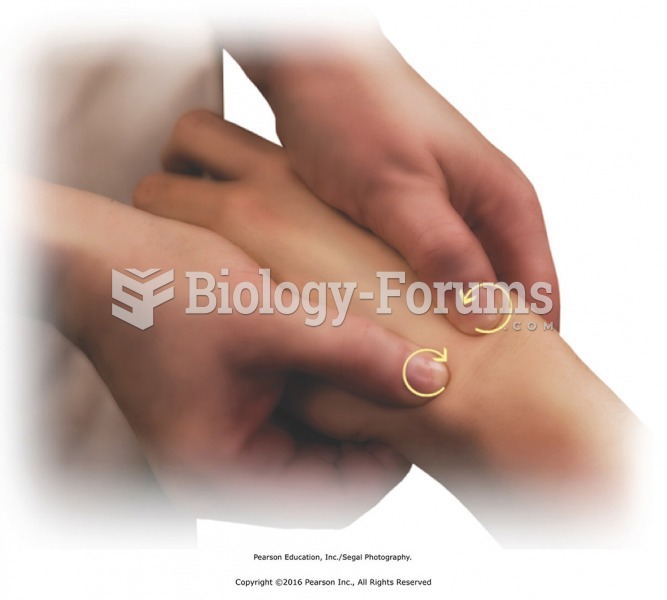 Use your thumbs to apply circular friction over the wrist bones, with recipient’s palm down.
 Pearson's Comprehensive Medical Assisting