Answer to Question 1
A
According to Leininger, if the nurse understands the cultural values and beliefs that underpin these behaviors, he or she might be able to engage in culture care preservation, which includes professional decisions and actions that help people retain their indigenous care values.
Calling an interpreter would be important, especially if the patient's family's English proficiency is in question, but this would not be as effective as designing interventions and teaching around the family's beliefs.
Giving the family both written and verbal instructions is also a helpful intervention, especially if instructions are available in their native language, but this would not be as effective as designing interventions and teaching around the family's beliefs.
Giving both written and verbal directions is important when teaching, but it does not address cultural diversity.
Answer to Question 2
C, D
One of the two major roles of the CNL is to oversee the care coordination of a distinct group of patients.
The other major role of the CNL is to provide direct patient care in complex situations.
CNLs design and implement care and are accountable for care outcomes, but they do not necessarily serve in departmental leadership positions.
CNLs are considered generalists, not specialists.
The CNL role is not designed as a direct supervisory role, such as a charge nurse.


 The Red-throated Bee-eater (Merops bullocki) is a species of bird in the Meropidae family.
 The spectrum generated (b) is a family of peaks, with each successive peak
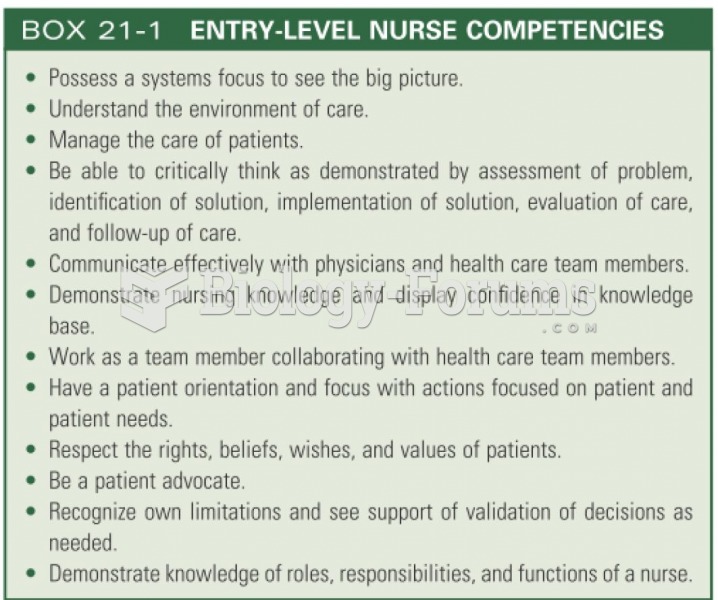 Entry level nurse competencies
 Triumphal Entry, page from a manuscript of Firdawsi's Shahnamah, Persian, Safavid culture.
 As with other groups, there is no such thing as the Latino family. Some Latino families speak little ...
 Family structure is a vital aspect in the socialization of children.