
This topic contains a solution. Click here to go to the answer
|
|
|

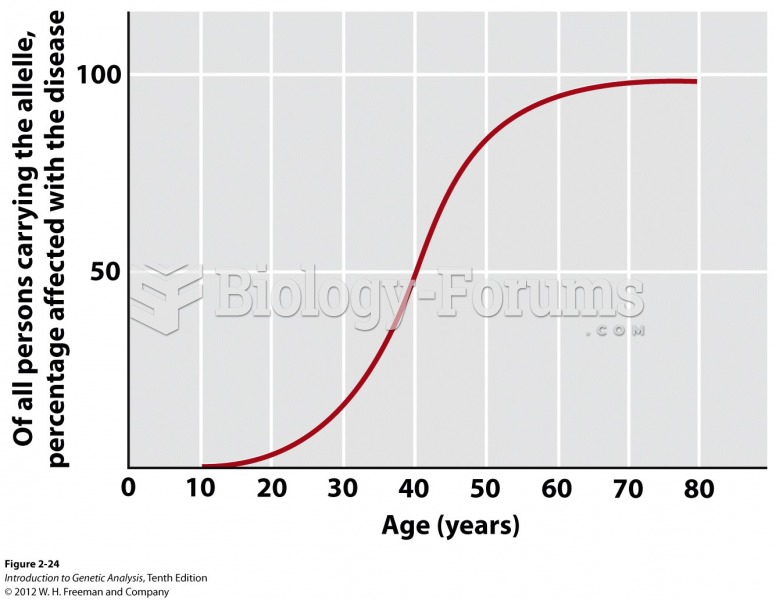 Late onset of Huntington disease
 The nurse assists the patient in reflecting on his feelings
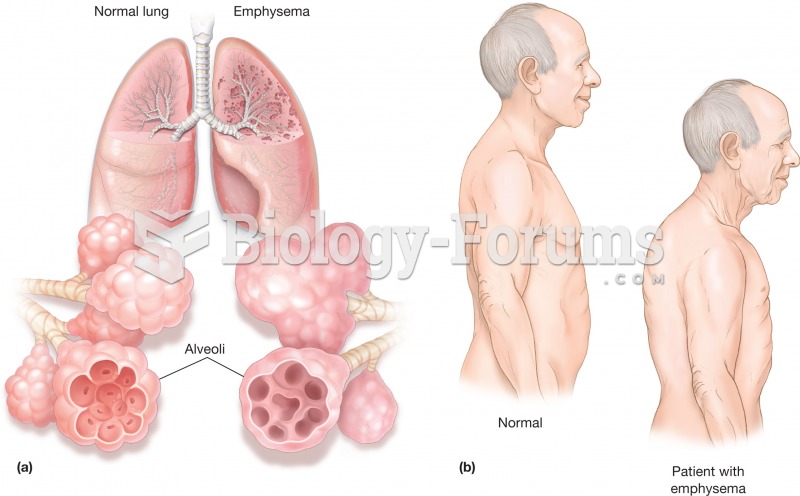 Emphysema. (a) Illustration comparing normal lungs and emphysemic lungs. The inserts illustrate how
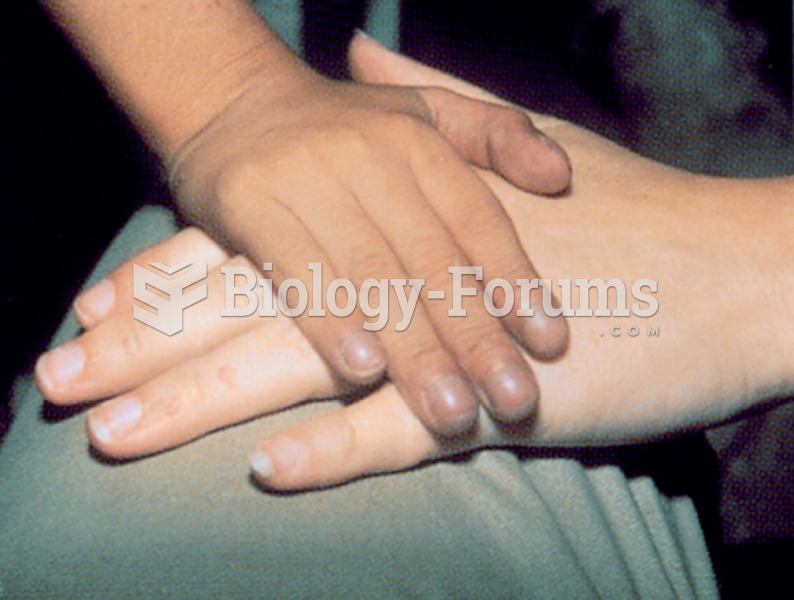 Cyanosis as shown here at the patient’s fingertips results from a lack of oxygen in the tissues
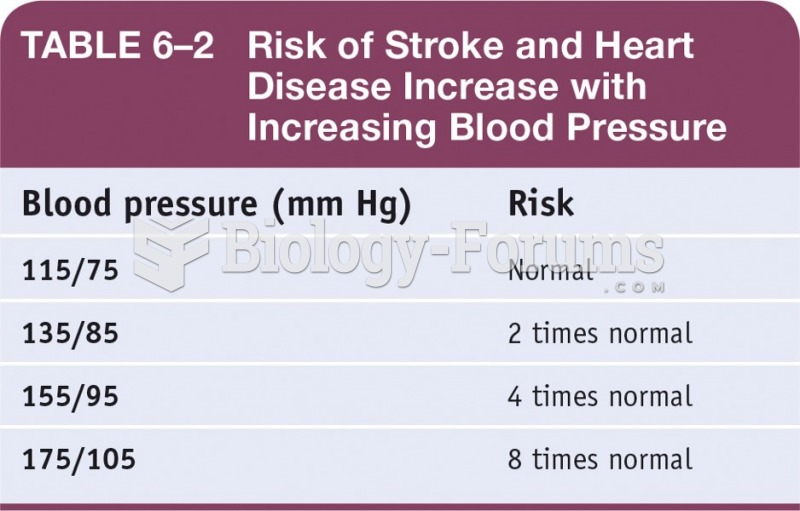 Risk of Stroke and Heart Disease Increase with Increasing Blood Pressure
 Finding derivatives of Trig Functions - pt 5