Answer to Question 1
B
Ideas of reference are incorrect perceptions of casual events as having great or significant meaning and are frequently seen in clients with schizotypal personality disorder. Paranoia refers to individuals who assume that everyone is out to harm, deceive, or exploit them; inappropriate affect refers to inappropriate emotional expressions; and delusions of grandeur are irrational grandiose thoughts, but they differ from ideas of reference in that an interaction is not necessary to cause the delusions of grandeur.
Answer to Question 2
D
Signs of potential relapse include feeling tense, difficulty concentrating, trouble sleeping, increased withdrawal, increased bizarre or magical thinking, and a general worsening of the patient's residual symptoms or a return of previous symptoms. The patient is more symptomatic, and medication nonadherence may be a contributing factor, but there is no information to indicate that the patient has been nonadherent (relapse can occur even when the patient is taking medication regularly). A lack of understanding of one's illness and treatment would not itself lead to the presentation described here, and psychoeducation is better delivered when the patient's symptoms are stable. In this case, the symptoms have worsened and/or new symptoms have been added; this suggests a change is occurring rather than the continued presentation of chronic symptoms.


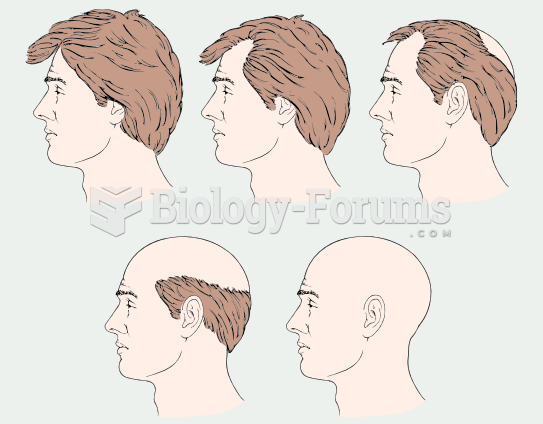 Male Pattern Balding
 In the Tai Forest a female chimp demonstrates a skill once thought to be unique to humans. Here she
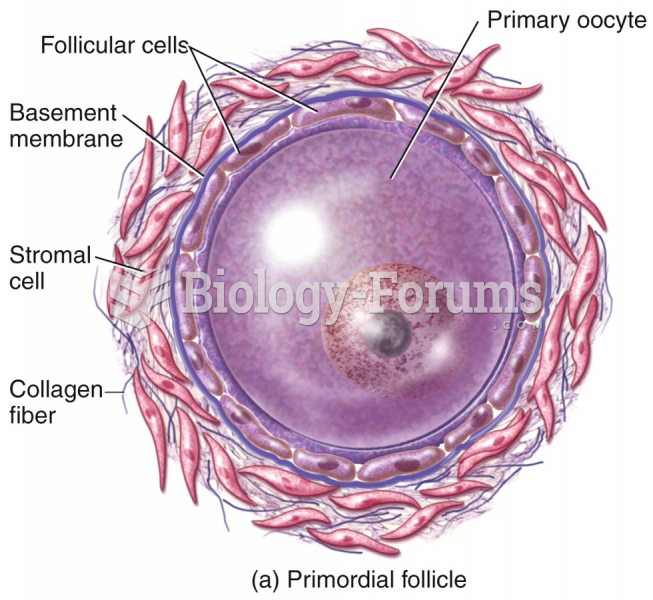 Female Reproductive System
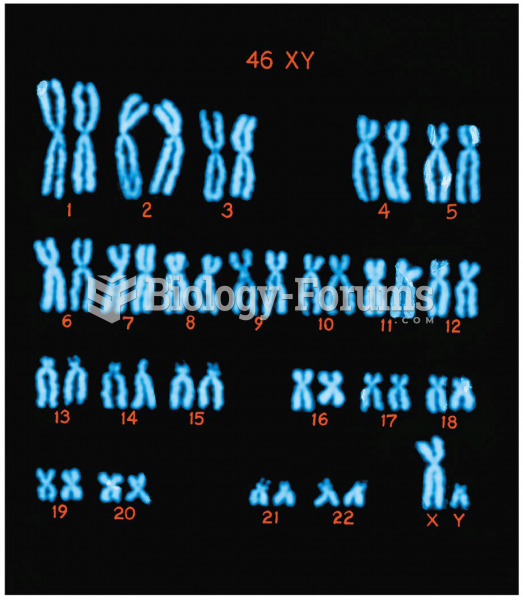 A colorized image of the human male chromosome set
 How to impress a choosy female: Male fiddler crabs (top) wave their one enlarged claw to a attract a