Compared to true experiments, quasi-experiments
a. generally do not control extraneous variables as well
b. are less useful for answering many real-world questions
c. lack realism
d. can not be analyzed using sophisticated statistics
e. all of the above
Question 2
Longitudinal designs are superior to cross-sectional designs for studying age-related changes in behavior because they
a. use random assignment
b. control for generational effects
c. use control groups
d. eliminate confounding
e. have greater external validity


 Overview of points of control for gene regulation in (a) prokaryotes and (b) eukaryotes
 The bobcat population has seen declines in the American Midwest, but is generally stable and healthy
 Mendel's Monohybrid Experiments p2
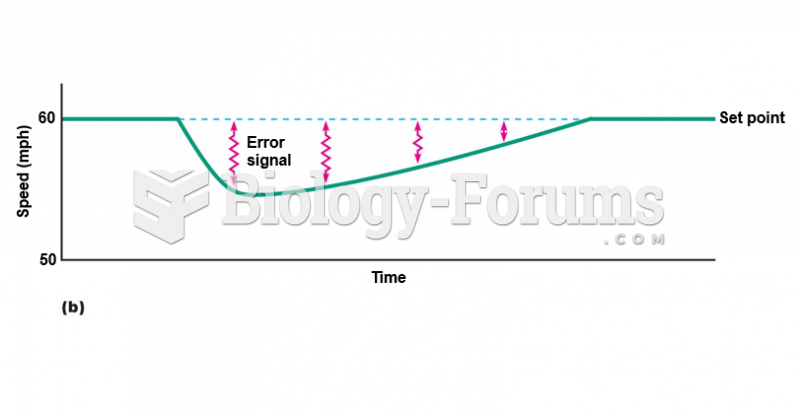 Negative feedback control of a regulated variable.
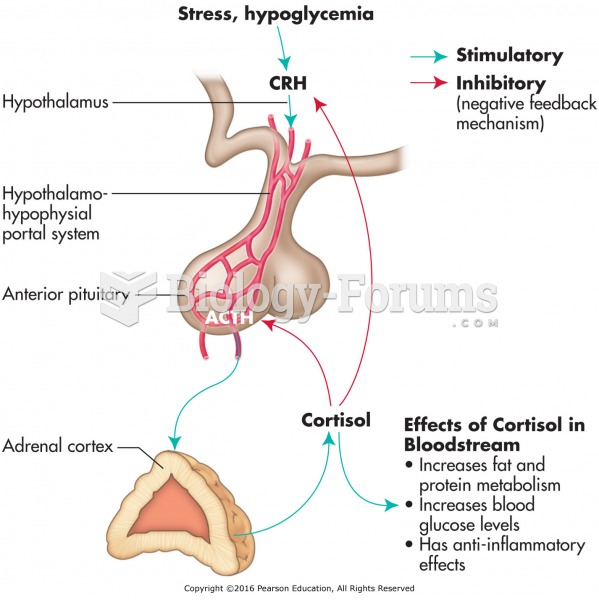 Hormonal control of adrenal gland. CRH = corticotropin releasing hormone; ACTH = adrenocorticotropic ...
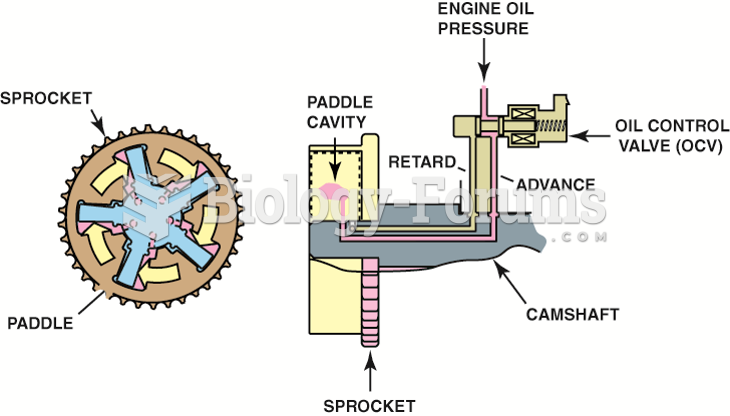 A vane phaser is used to move the camshaft using changes of oil pressure from the oil control valve.