A 2.0-kg block sliding on a frictionless horizontal surface is attached to one end of a horizontal spring (k = 600 N/m) which has its other end fixed. The speed of the block when the spring is extended 20 cm is equal to 3.0 m/s. What is the maximum speed of this block as it oscillates?
a. 4.6 m/s
b. 5.3 m/s
c. 5.7 m/s
d. 4.9 m/s
e. 3.5 m/s
Question 2
The force an ideal spring exerts on an object is given by Fx = -kx, where x measures the displacement of the object from its equilibrium (x = 0) position. If k = 60 N/m, how much work is done by this force as the object moves from x = -0.20 m to x = 0?
a. -1.2 J
b. +1.2 J
c. +2.4 J
d. -2.4 J
e. +3.6 J


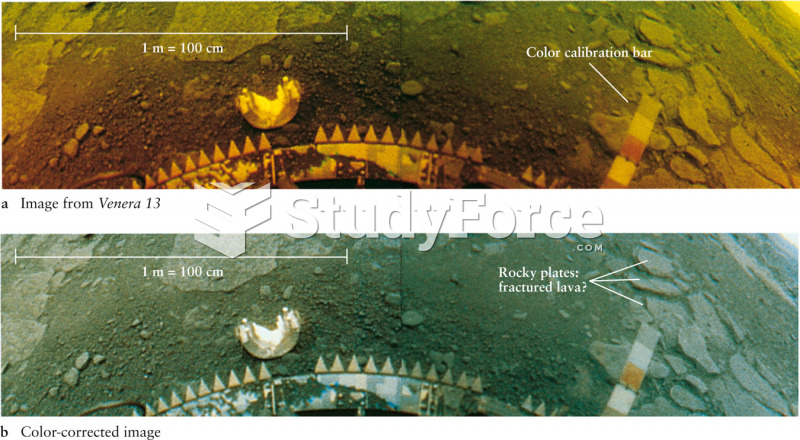 The Venusian Surface
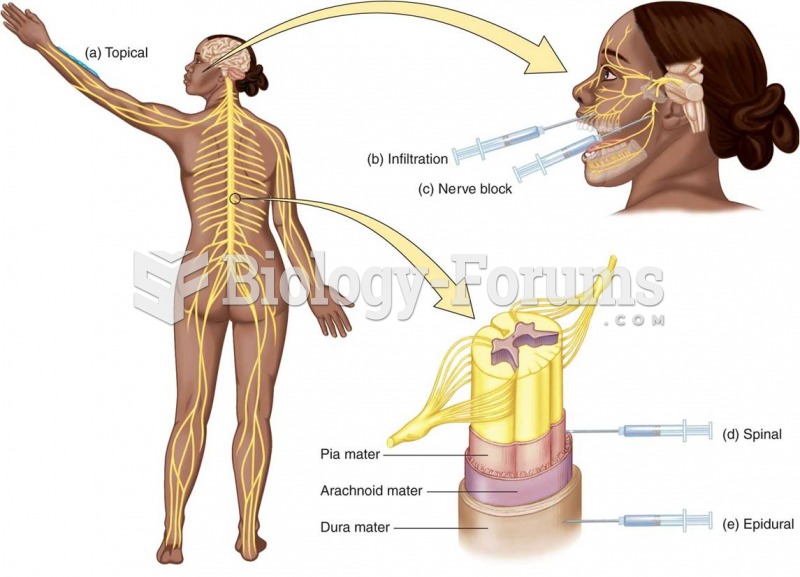 Techniques for applying local anesthesia: (a) topical; (b) infiltration; (c) nerve block; (d) spinal
 Surface Water Parsing
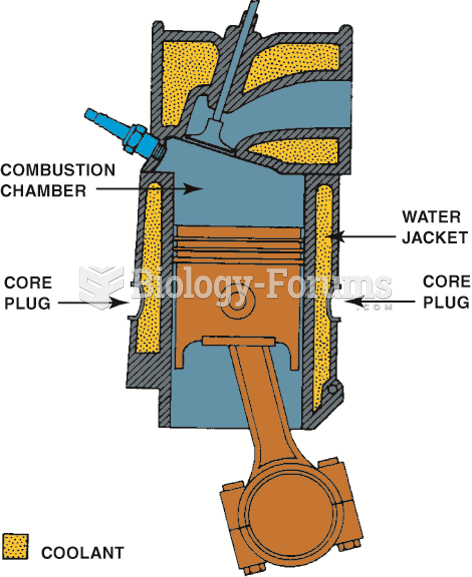 Coolant circulates through the water jackets in the engine block and cylinder head.
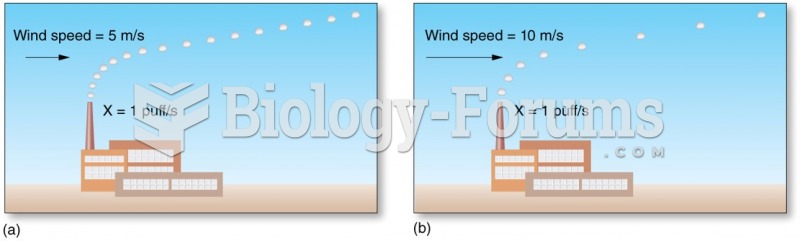 Effect of Winds on Horizontal Transport
 Effleurage to the foot bottom using the fist. Hold the dorsal surface of the foot with one hand ...