In the Gottman method of couples therapy, the therapist plays the role of:
a. coach.
b. observer.
c. advisor.
d. partner.
Question 2
All of the following statements about the Gottman method couples therapy approach are true EXCEPT?
a. The therapist coaches couples to develop the interaction patterns that distinguish successful marriages from marriages that end in breakup.
b. This model is grounded entirely in research results rather than theory.
c. Happily married couples do not engage in defensiveness, criticism, and stonewalling.
d. Better communication produces short-term gains but does not significantly affect whether or not the couple stays together.


 In-line blending is the most accurate method for blending ethanol with gasoline because computers ...
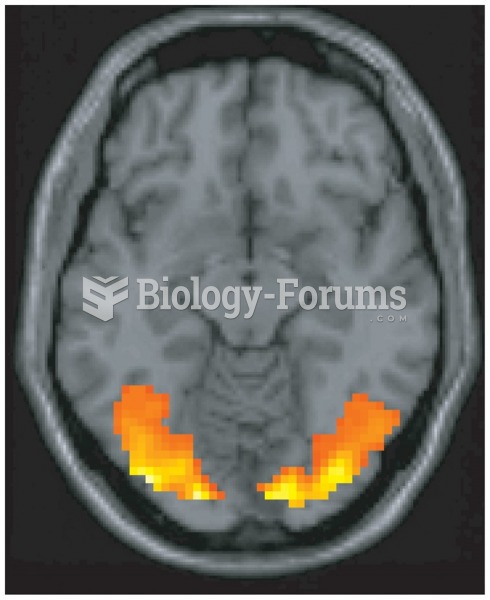 Functional brain imaging is the major method of cognitive neuroscience. This image—taken from the ...
 Sodium’s chief role is regulation of fluid balance
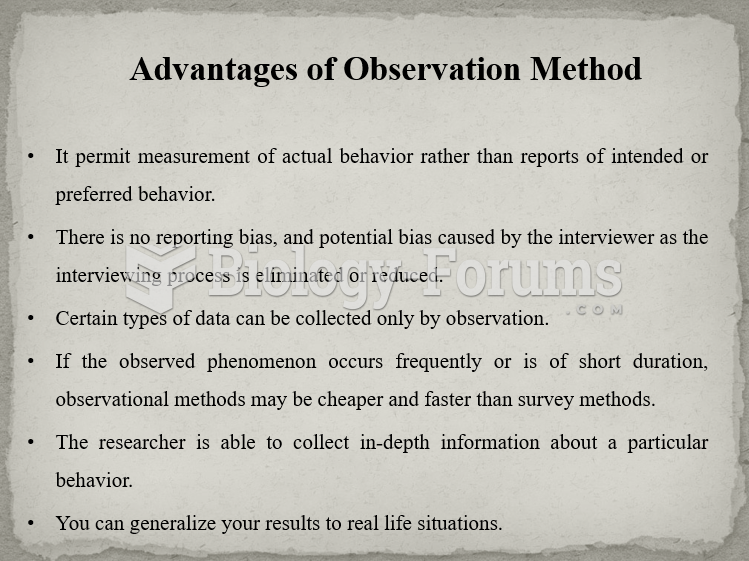 Advantages of Observational Method
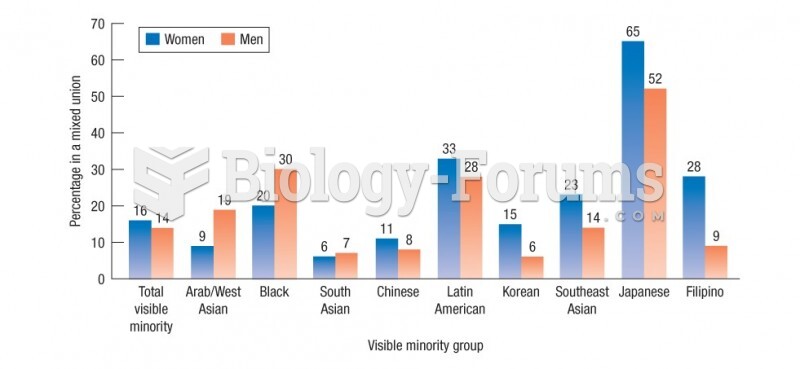 Married or partnered couples within a visible minority mixed group
 Method for creating Golden Rice 2