
This topic contains a solution. Click here to go to the answer
|
|
|

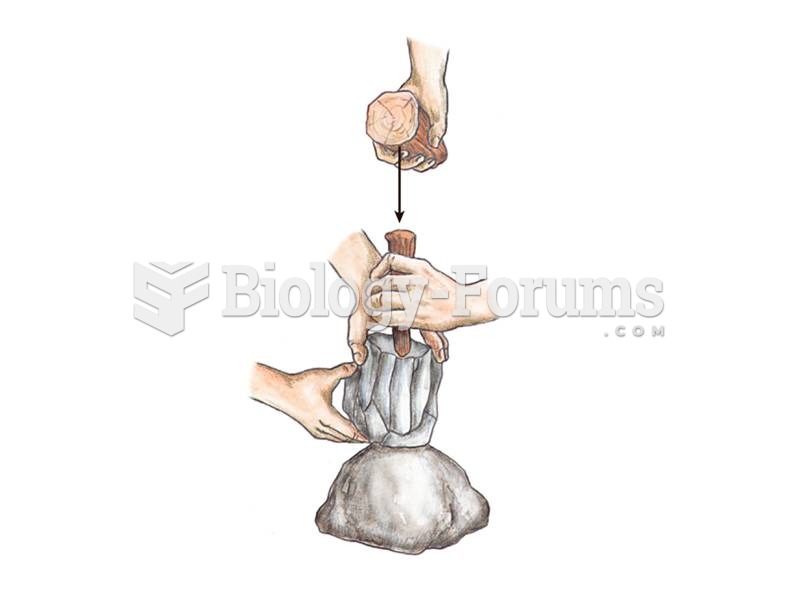 Upper Paleolithic stone tools include blade-based tools as seen here being produced from a blade cor
 Primary School Attendance in World Regions Attending primary school is common but not universal, wo
 How can we apply the categorical imperative to environmental issues?
 Apply circular friction and direct pressure to suboccipital muscles one side at a time.Turn head to ...
 Stretch the extensor muscles with flexion at the wrist. Reposition the palm to face the table. Apply ...
 Apply the cold source, and ask for immediate feedback. Conform the cold source to the shape of the ...