This topic contains a solution. Click here to go to the answer

Author Question: In a heterozygous individual, the dominance of one allele means that: a. the recessive allele has ... (Read 248 times)

sammy

  • Hero Member
  • *****
  • Posts: 818
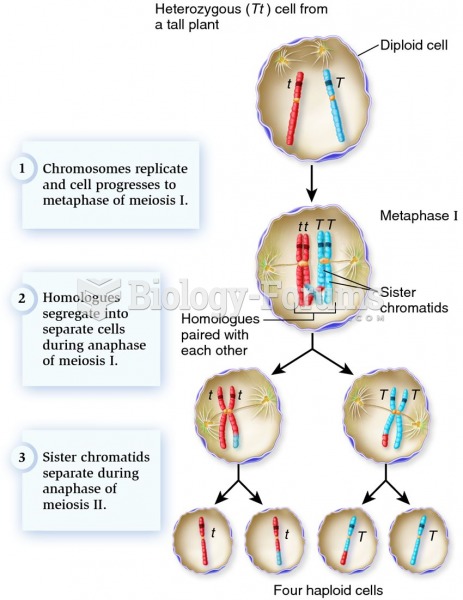
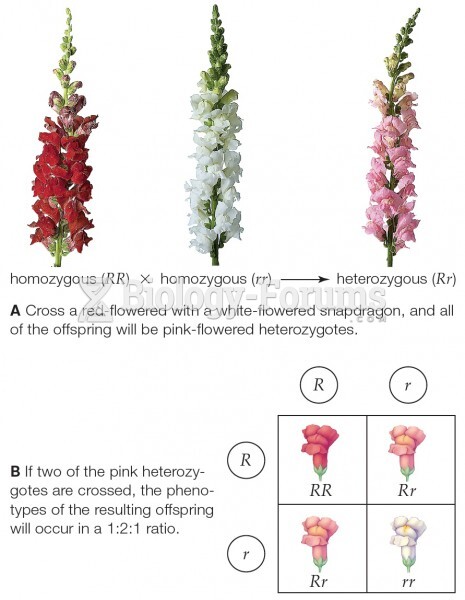
In a heterozygous individual, the dominance of one allele means that:
 
  a. the recessive allele has been lost or damaged
 b. the recessive allele was not copied during mitosis
  c. the recessive allele is not being expressed
 d. the recessive allele is skipping generations

Question 2

During which epoch did anthropoid fossils diversify and expand their range, and prosimian fossil forms became far less prominent?
 
  a. Oligocene
  b. Eocene
  c. Miocene
  d. Pliocene
  e. Pleistocene


Related Topics

Need homework help now?

Ask unlimited questions for free

Ask a Question
Marked as best answer by a Subject Expert

diana chang

  • Sr. Member
  • ****
  • Posts: 288
Answer to Question 1

c

Answer to Question 2

a


sammy

  • Member
  • Posts: 818
Reply 2 on: Aug 11, 2018
YES! Correct, THANKS for helping me on my review


adf223

  • Member
  • Posts: 304
Reply 3 on: Yesterday
Great answer, keep it coming :)


Did you know?

Coca-Cola originally used coca leaves and caffeine from the African kola nut. It was advertised as a therapeutic agent and "pickerupper." Eventually, its formulation was changed, and the coca leaves were removed because of the effects of regulation on cocaine-related products.

Did you know?

More than 30% of American adults, and about 12% of children utilize health care approaches that were developed outside of conventional medicine.

Did you know?

As of mid-2016, 18.2 million people were receiving advanced retroviral therapy (ART) worldwide. This represents between 43–50% of the 34–39.8 million people living with HIV.

Did you know?

It is believed that humans initially contracted crabs from gorillas about 3 million years ago from either sleeping in gorilla nests or eating the apes.

Did you know?

Signs of depression include feeling sad most of the time for 2 weeks or longer; loss of interest in things normally enjoyed; lack of energy; sleep and appetite disturbances; weight changes; feelings of hopelessness, helplessness, or worthlessness; an inability to make decisions; and thoughts of death and suicide.

For a complete list of videos, visit our video library