
This topic contains a solution. Click here to go to the answer
|
|
|

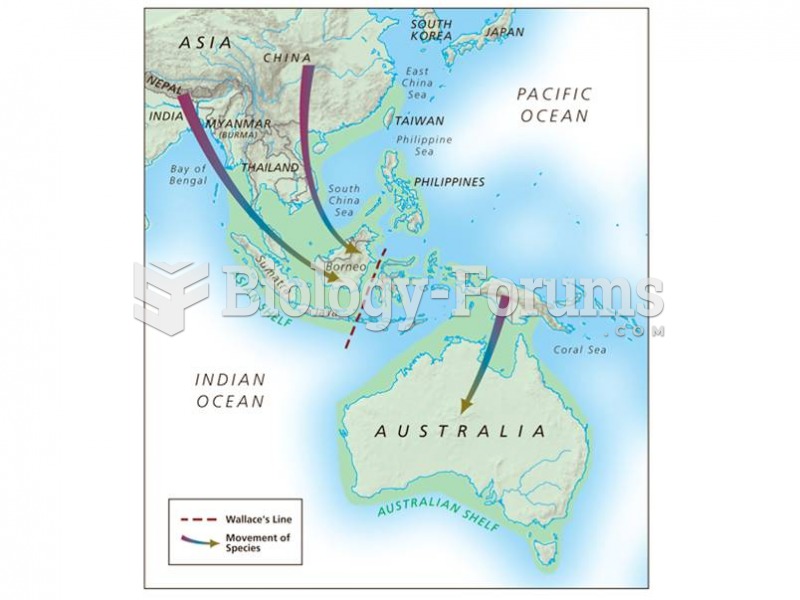 Landbridge connections between continental Asia and Indonesia during glacial periods extend as far a
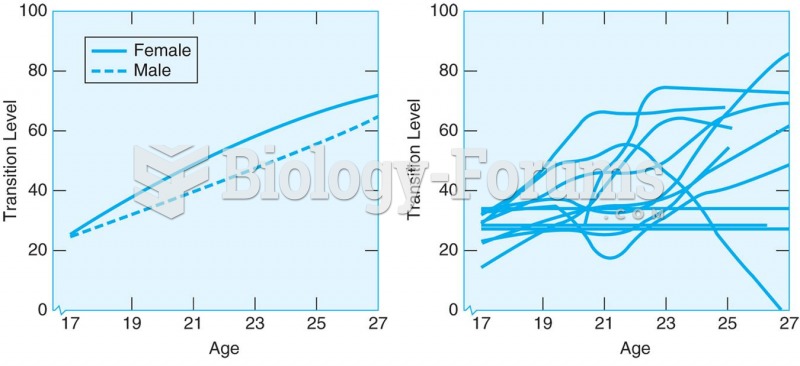 (Left panel) The transition level (TL) for moving out of the parental home for 240 young men and ...
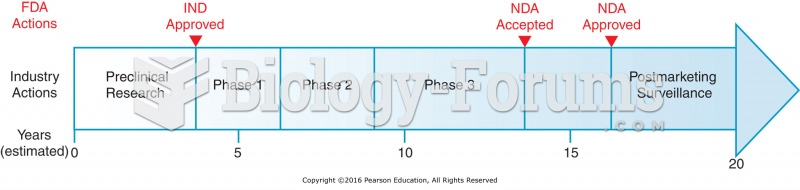 Drug development time line.
 Left-handedness
 Thumb web–forearm stimulation. Using the thumb and finger of your left hand, squeeze the webbing ...
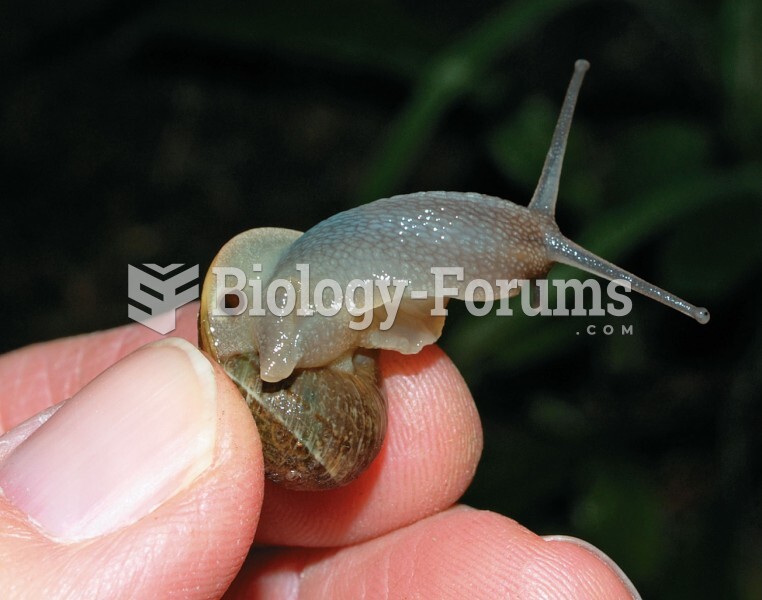 A land snail (Helix aspersa) with the opening that leads to its lung visible at the left.