At stake in the Marbury v. Madison decision was whether William Marbury
A) was entitled to financial relief for damage to his reputation.
B) was eligible for election to the U.S. House of Representatives.
C) had been unjustly tried twice for the same offense.
D) had committed treason against the United States.
E) had a legal right to be hired as a justice of the peace in the District of Columbia.
Question 2
Which of the following statements is NOT true of the Supreme Court?
A) There are only nine seats on the Court.
B) The justices have lifetime appointments.
C) The justices try to time their departures to give the president of the same party an opportunity to fill the replacement.
D) The justices try to time their departures to give the president of the opposite party an opportunity to fill the replacement.
E) The justices are nominated by the president.


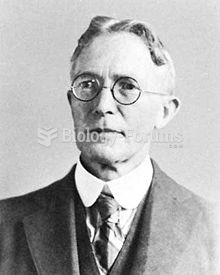 William Diller Matthew.
 William Beebe
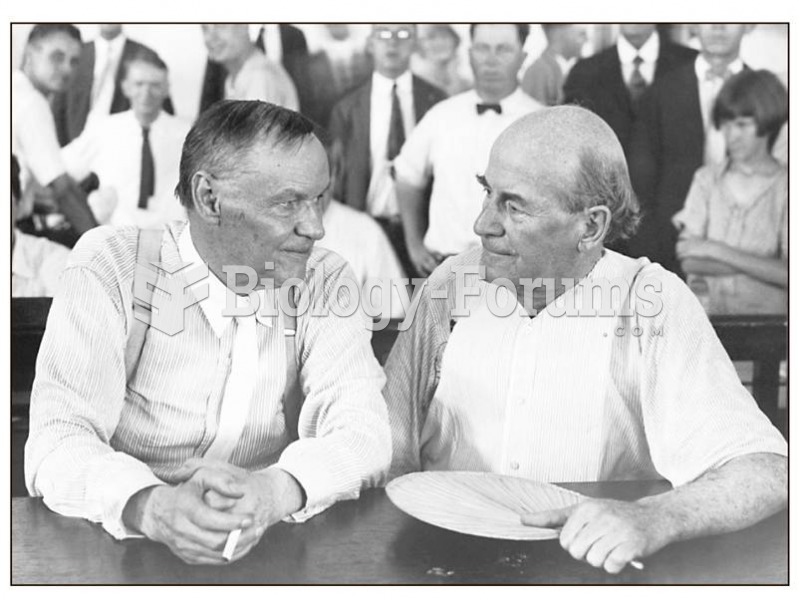 The Scopes Trial: William Jennings Bryan (right) represented the state of Tennessee, and Clarence Da
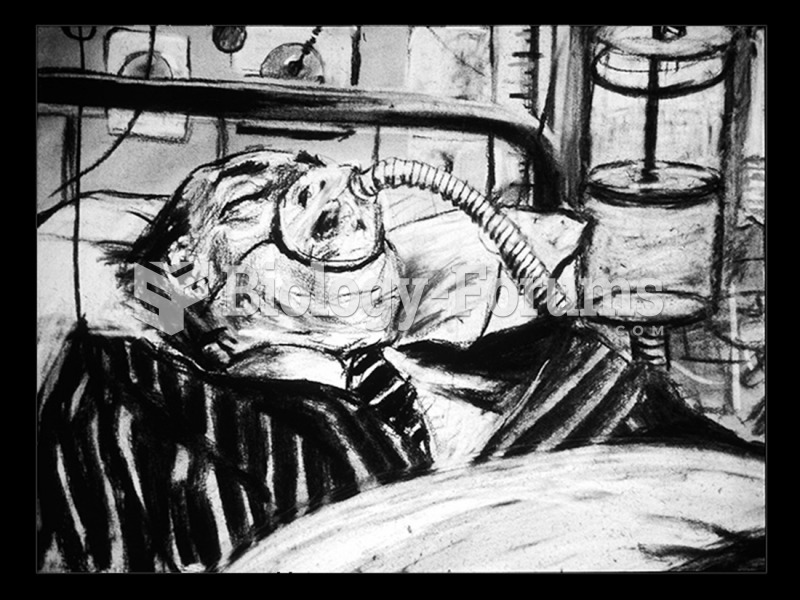 William Kentridge, History of the Main Complaint.
 William Kentridge, History of the Main Complaint.