Sarita, a student teacher, is approached by Yvette, another student teacher, who wishes to use Sarita's lesson plan for an activity with colors. Sarita wants to help Yvette but hesitates because she feels Yvette should do her own lesson planning. NAEYC's Code of Ethical Conduct recommends
A) that Sarita direct Yvette to the college supervisor first.
B) telling Yvette it would be unethical.
C) sharing resources and information with coworkers.
D) respecting Yvette's request.
E) None of these answers are correct.
Question 2
A cooperating teacher is acting inappropriately when she labels and disrespects children of one ethnic group. The student teacher in her classroom should
A) discuss this with her college supervisor.
B) not discuss the issue with the cooperating teacher if the college supervisor so directs.
C) forget it.
D) send an anonymous note to the cooperating teacher.
E) ethically voice concern to the cooperating teacher either after or before speaking with the college supervisor.


 Illusionary picture of teacher’s head exploding
 Nursing student will understand it
 Student Raises Hand in Class
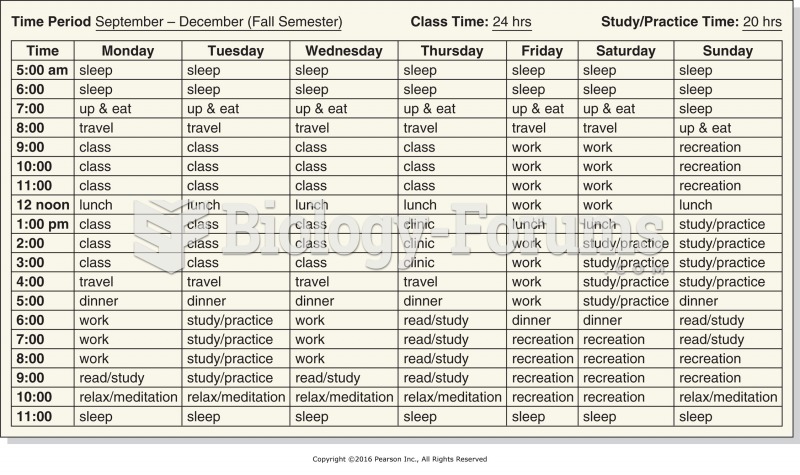 Sample time management planning chart for a massage student.
 Student Test Scores versus GDP per Capita
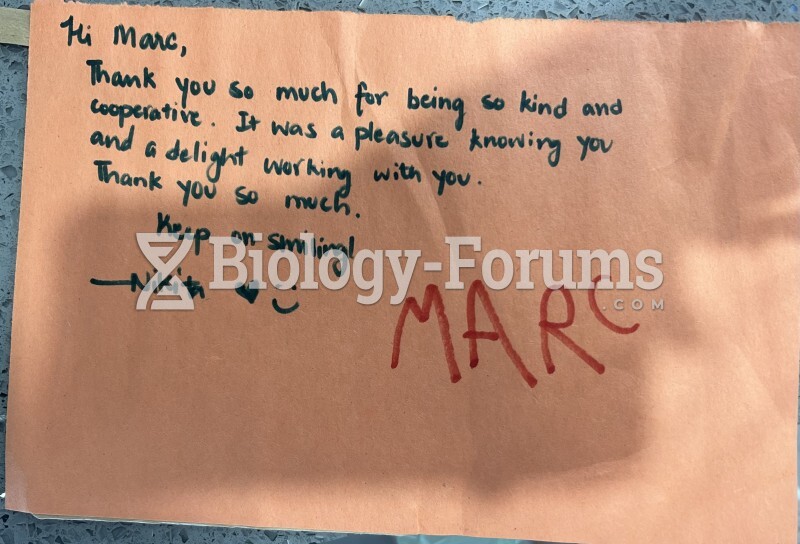 Marc’s teacher