The functional magnetic resonance imaging (fMRI) technique measures changes in ________ to image brain metabolic activity.
a. GABA
b. x-ray diffraction
c. blood oxygen level
d. magnetic waves
e. glucose levels
Question 2
Which of the following is an advantage of the functional magnetic resonance imaging (fMRI) technique?
a. FMRI scanners can be built cheaply.
b. Oxygen has a long-half life in brain.
c. The fMRI technique has a moderate degree of inherent danger.
d. The technique is slower than PET but is easier to compute.
e. The fMRI scan has a higher resolution relative to the PET scan.


 Electron microscopic image of dinoflagellates
 The 2-deoxyglucose technique. The accumulation of radioactivity is shown in three frontal sections ...
 The areas in which reading-associated increases in activity were observed in the fMRI study of ...
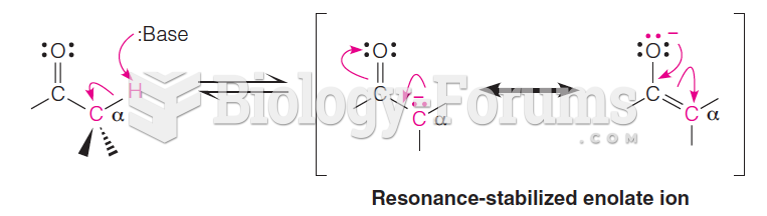 Resonance stabilized enolate ion
 Image
Image
 What is the mass of air in a room that measures 5.0 m 8.0 m 3.0 m? (The density of air is ...