
This topic contains a solution. Click here to go to the answer
|
|
|

 Covalent Bonding Can Form Compounds
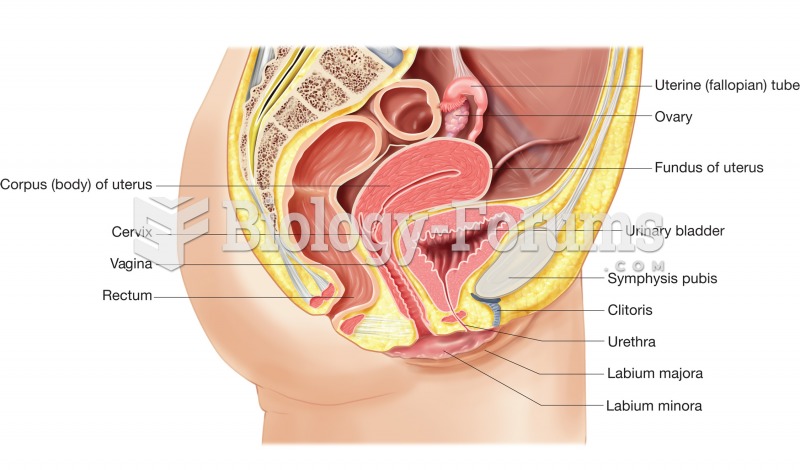 The female reproductive system, sagittal view showing organs of the system in relation to the urinar
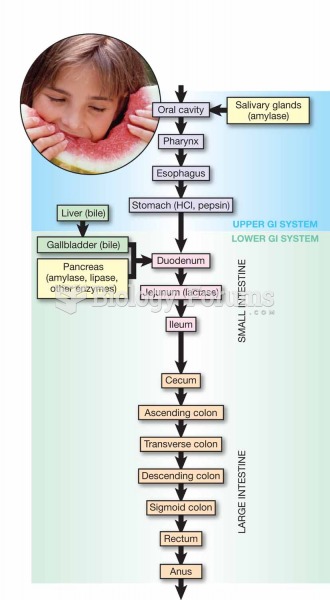 Gastrointestinal system
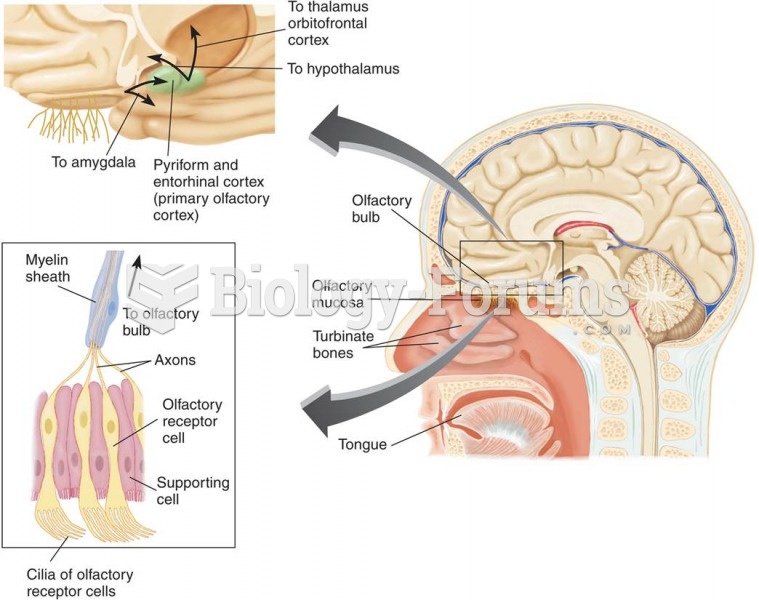 The Olfactory System
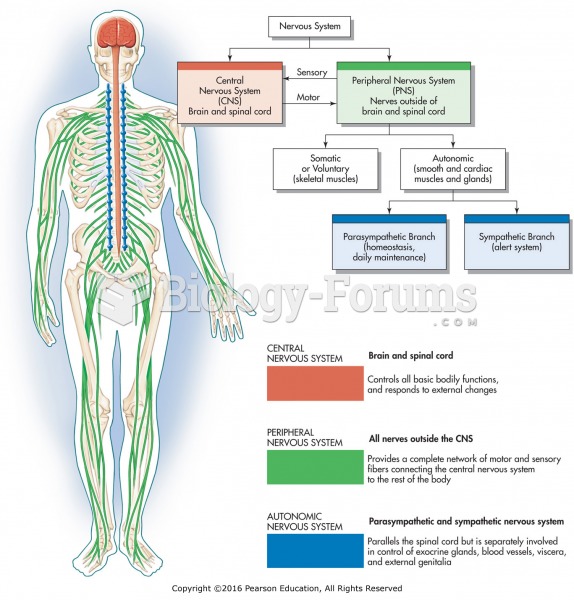 Organization of the nervous system.
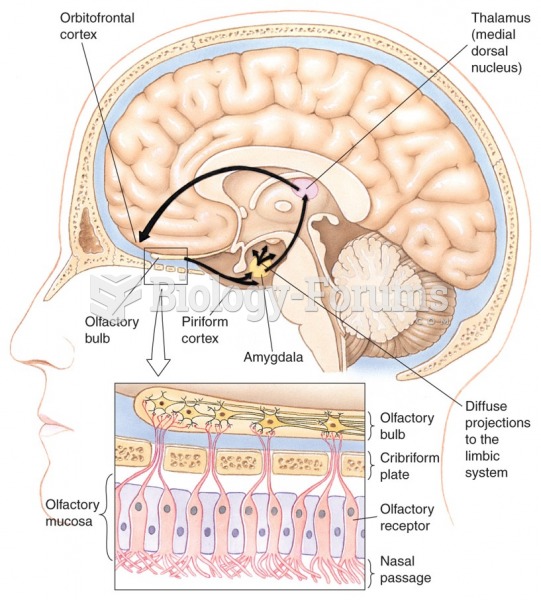 The human olfactory system.