
This topic contains a solution. Click here to go to the answer
|
|
|

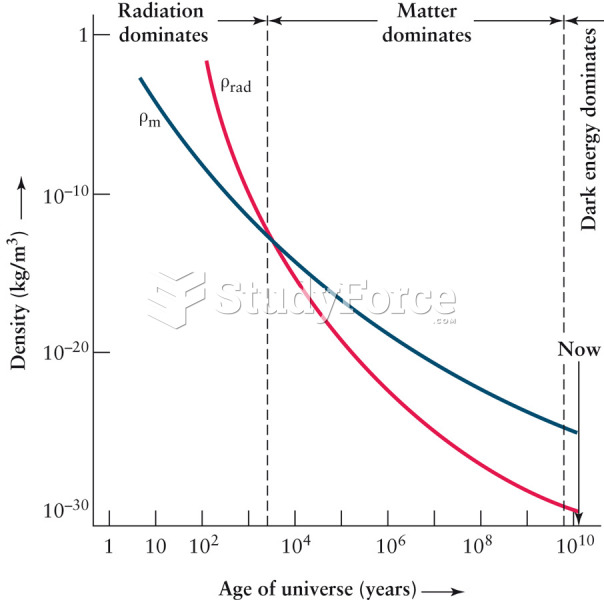 Evolution of Density
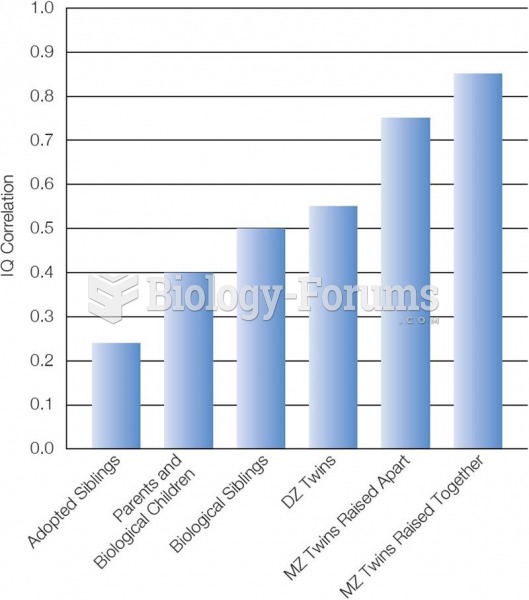 IQ and Genetics The closer the genetic relationship, the higher the correlation in IQ. Based on: Br
 Generally, the total tax burden in the United States is much lower than that of other industrialize
 Reconnect the lower and upper back with horizontal stroking from lower back to shoulders. Keep flat, ...
 Earth’s Oldest Preserved Rocks – 3.8 Billion Years Old, Greenland
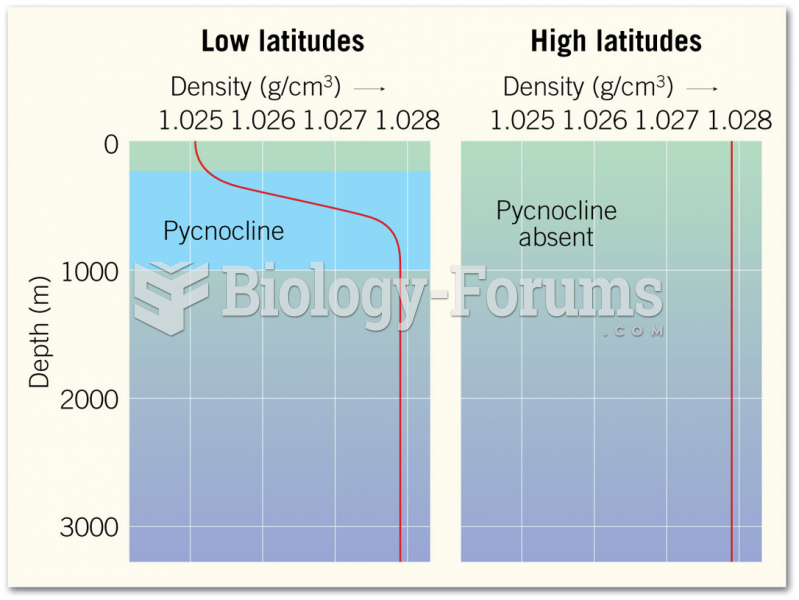 Variations in Ocean Water Density with Depth