This topic contains a solution. Click here to go to the answer

Author Question: Which of the following factors have Canadian researchers Hanson and Bussire identified to be the ... (Read 88 times)

j.rubin

  • Hero Member
  • *****
  • Posts: 557
Which of the following factors have Canadian researchers Hanson and Bussire identified to be the most robust predictor of sexual recidivism?
 
  a) Prior sexual offenses
  b) Victimization of strangers
  c) Psychological maladjustment
  d) Sexual interest in children

Question 2

Research by Vinkers et al. (2004 ) and others suggests that the most important risk factor for depression in the elderly is:
 
  a) A self-critical personality
  b) The lack of a good social network
  c) Bereavement due to loss of a loved one
  d) Daily life stressors


Related Topics

Need homework help now?

Ask unlimited questions for free

Ask a Question
Marked as best answer by a Subject Expert

macagnavarro

  • Sr. Member
  • ****
  • Posts: 334
Answer to Question 1

d

Answer to Question 2

c


Did you know?

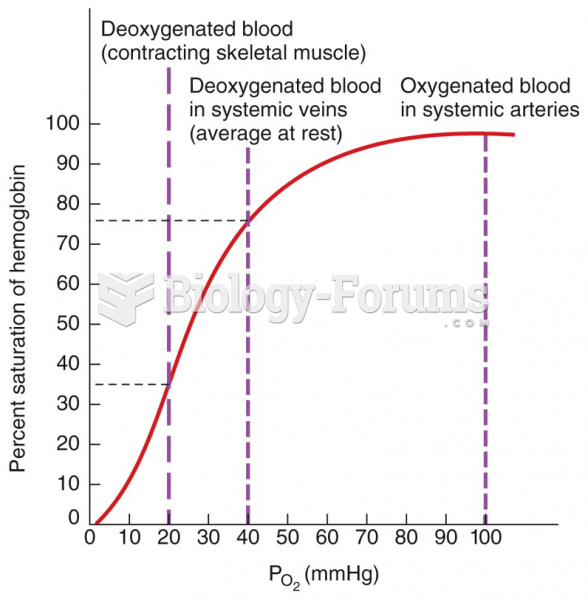
When blood is deoxygenated and flowing back to the heart through the veins, it is dark reddish-blue in color. Blood in the arteries that is oxygenated and flowing out to the body is bright red. Whereas arterial blood comes out in spurts, venous blood flows.

Did you know?

People about to have surgery must tell their health care providers about all supplements they take.

Did you know?

Automated pill dispensing systems have alarms to alert patients when the correct dosing time has arrived. Most systems work with many varieties of medications, so patients who are taking a variety of drugs can still be in control of their dose regimen.

Did you know?

Bisphosphonates were first developed in the nineteenth century. They were first investigated for use in disorders of bone metabolism in the 1960s. They are now used clinically for the treatment of osteoporosis, Paget's disease, bone metastasis, multiple myeloma, and other conditions that feature bone fragility.

Did you know?

Signs of depression include feeling sad most of the time for 2 weeks or longer; loss of interest in things normally enjoyed; lack of energy; sleep and appetite disturbances; weight changes; feelings of hopelessness, helplessness, or worthlessness; an inability to make decisions; and thoughts of death and suicide.

For a complete list of videos, visit our video library