
This topic contains a solution. Click here to go to the answer
|
|
|

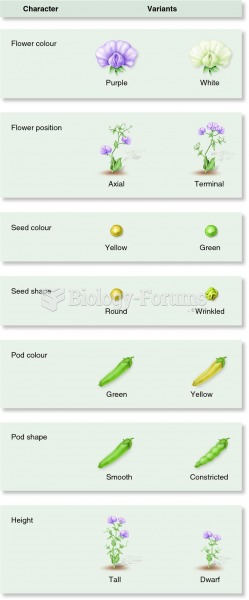 The seven traits that Mendel studied.
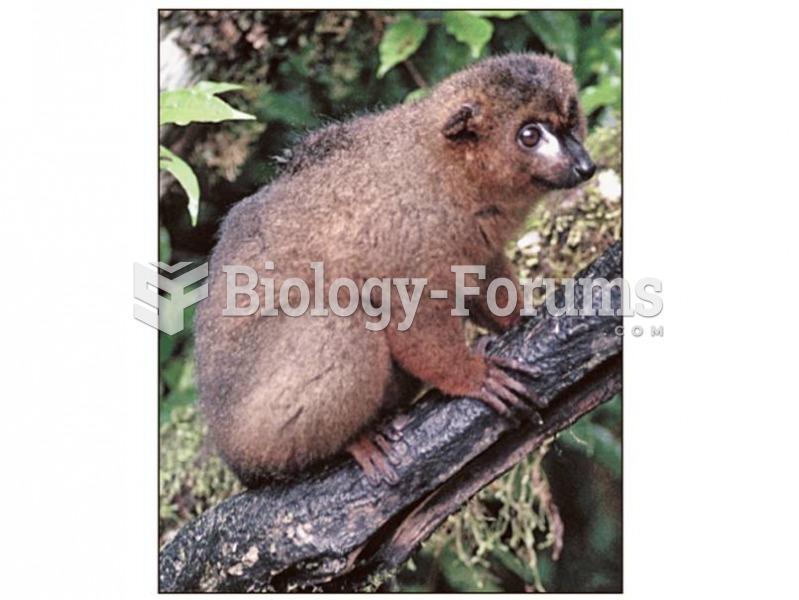 This red-bellied lemur shows clearly the traits that characterize strepsirhine primates.
 L. Frank Baum, author of The Wonderful Wizard of Oz (1900) and a fan of William Jennings Bryan, perh
 Cumulative change for six personality-trait domains across the life course show distinct patterns.
 Warning Signs for Eating Disorders
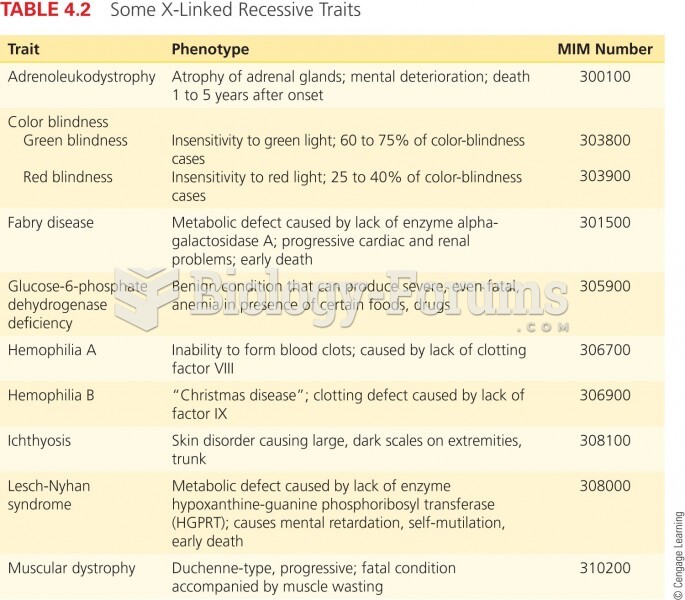 Some X-linked Recessive Traits