
This topic contains a solution. Click here to go to the answer
|
|
|

 A 3-tonne (3.0-long-ton; 3.3-short-ton) great white shark off Isla Guadalupe
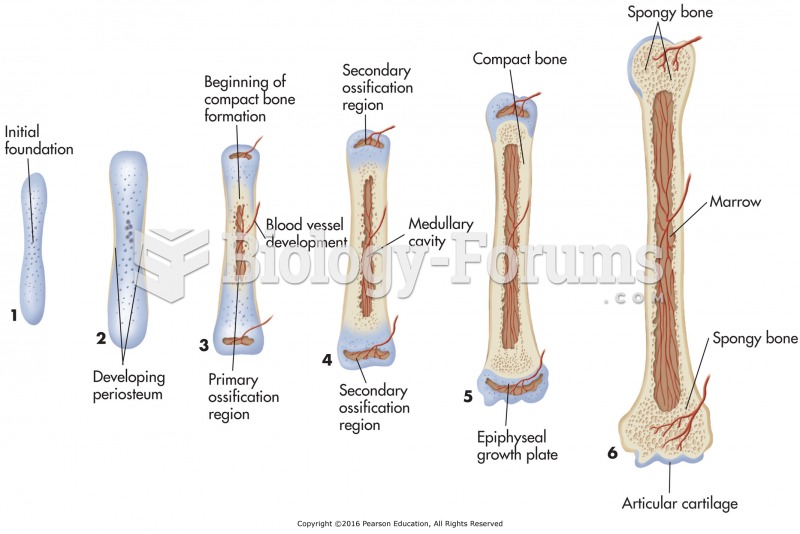 Endochondral ossification of long bone.
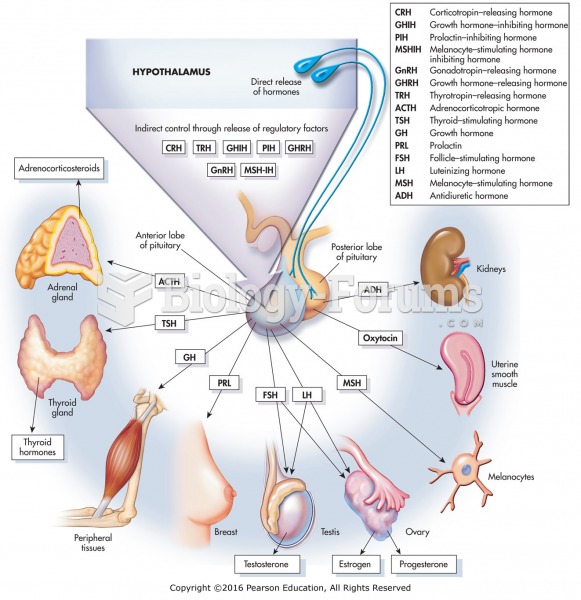 The hypothalamus, anterior and posterior pituitary glands, and their targets and associated ...
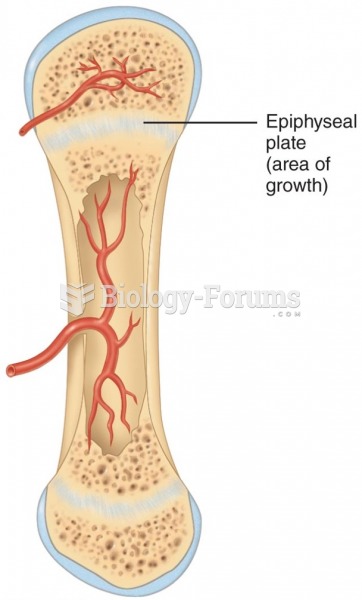 Epiphyseal Plate in Long Bone Adolescent bone growth takes place along the epiphyseal plate
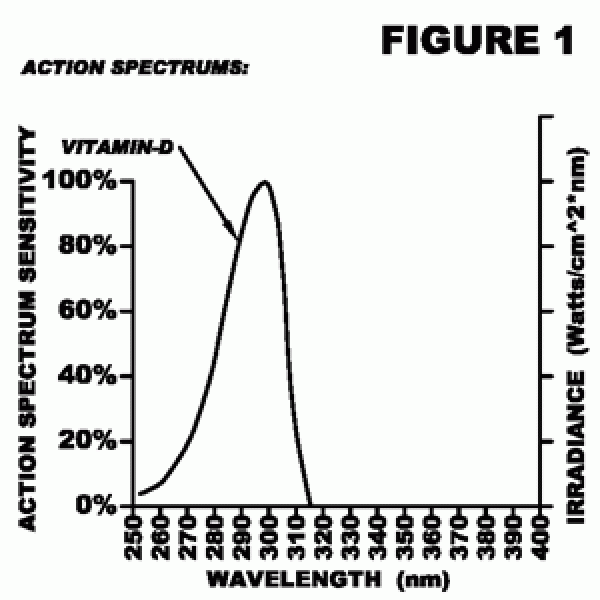 UV-Range That Optimizes Vitamin D3 Biosynthesis