
This topic contains a solution. Click here to go to the answer
|
|
|

 Earth as viewed from Lunar orbit during the Apollo 8 mission, Christmas Eve, 1968. Africa is at the
 A Mass-Loss Star
 Apply circular friction to the left side of the neck along cervical muscles with the fingertips of ...
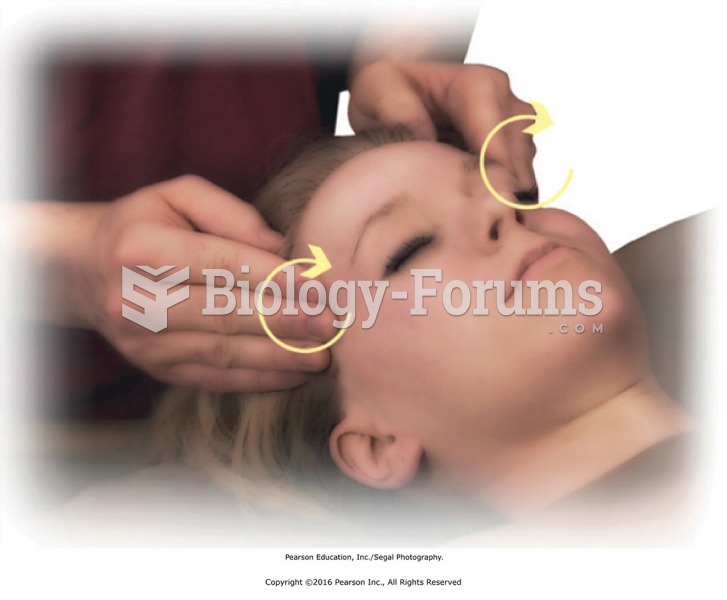 Apply gentle circular friction to the temple area.
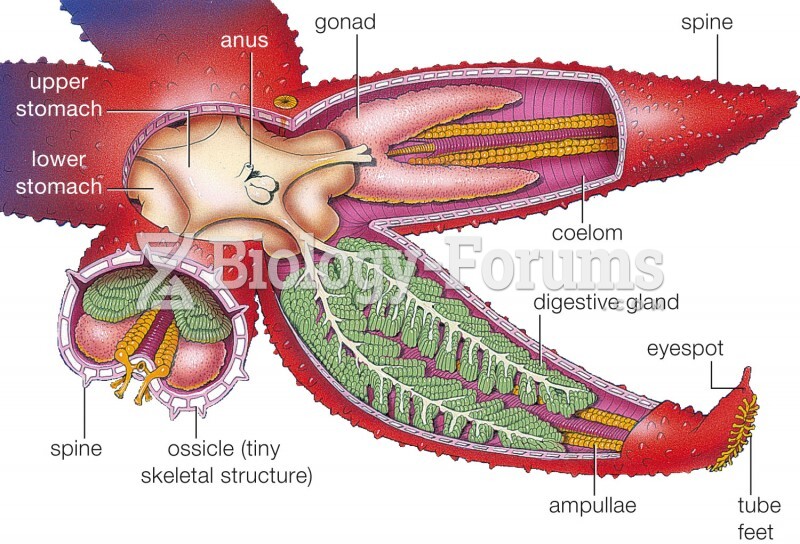 Sea Star Body Plan