Which of the following is another term for trauma?
A) Injury B) Medical problem C) Illness D) Suffering
Question 2
Your patient is a 22-year-old male with a history of asthma. He presents with labored breathing and states he has an inhaler, but it is a new prescription, and he is not sure how to use it. You should:
A) assist him with the medication, as long as your local protocol allows.
B) have a bystander help him with the inhaler so you are not liable for any damages.
C) not administer the medication, since it is new and he might be allergic to it.
D) call his physician to confirm proper administration of the medication.


 Medical assistants can quickly pull up a patient record when a phone call is received.
 How to solve a trigonometric problem involving two right triangles (Question 2)
 Modern Medical Technological Revolution
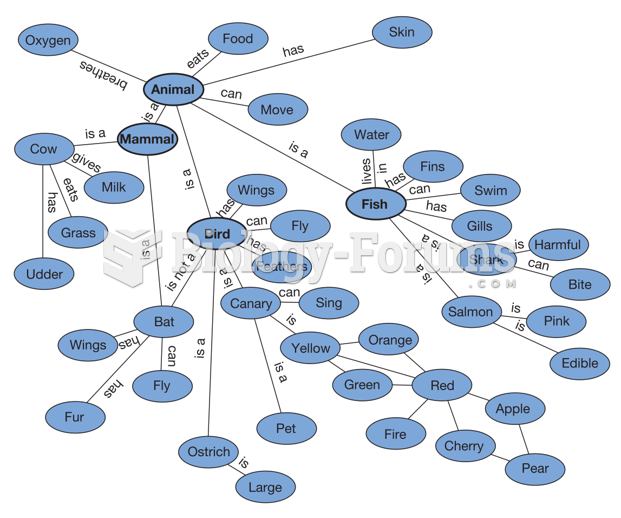 Part of a Semantic Network in Long-Term Memory
 Solution to exponential problem
 Solve the following optimization problem