Answer to Question 1
b;
Answer to Question 2
Tit-for-tat (always cooperating on the first trial, and on subsequent trials, doing whatever its opponent did on the
previous trial), is an effective strategy for inducing cooperation in the 2-party prisoners dilemma game. It does not
care that it can never beat the opponent; it always begins the interaction by cooperating and is never the first to
defect; it reciprocates defection; and it is so simple that people can quickly figure out what to expect from the
counterparty.


 This girl ran four spinning machines in a cotton mill in Whitnel, North Carolina. Only 4 feet, 3 inc
 Providing structure and organization in the child’s environment may aid the development of ...
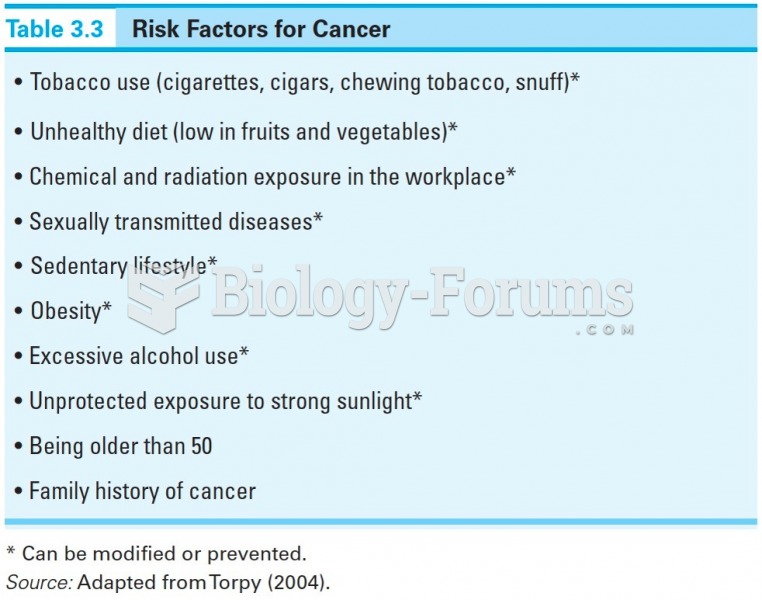 Risk Factors for Cancer
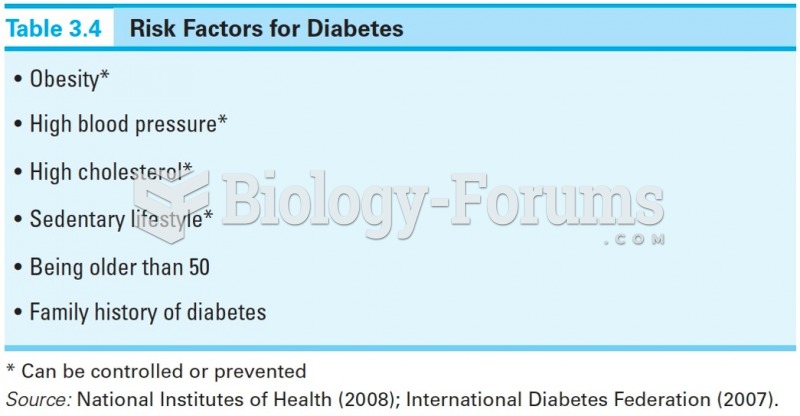 Risk Factors for Diabetes
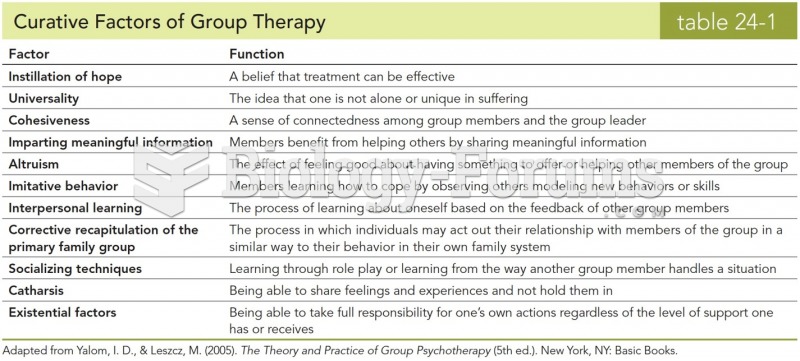 Curative Factors of Group Therapy
 Outside ankle press. Now, support the heel of the recipient’s right foot with your left hand. With ...