In the technique known as behavioral observation, the first step is
A) choosing an observer who can work without bias.
B) defining the behavior so that it can be closely observed and reliably monitored.
C) determining whether the patient can keep reliable records of his or her own behavior.
D) testing possible observers to see if they can be sufficiently attentive in a natural environment.
Question 2
Kari states that she is in a bad place in her head. She feels down, has little appetite, and has noticed some weight loss.
Lately, she is not interested in any of her usual activities because they leave her feeling empty and are just too much effort. She is indifferent to friends and family and has begun having recurrent thoughts of suicide. Kari is best described as suffering from
A) dysthymic disorder.
B) cyclothymic disorder.
C) major depressive disorder.
D) bipolar disorder.


 Technique of Direct Fist Percussion: Left Kidney
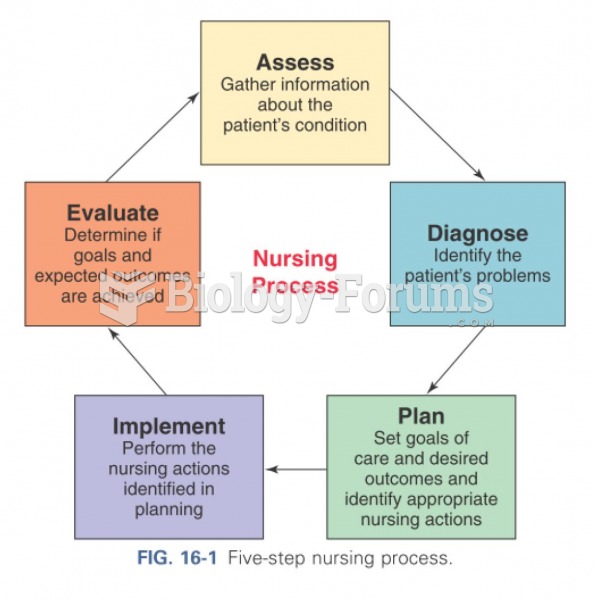 Five step nursing process
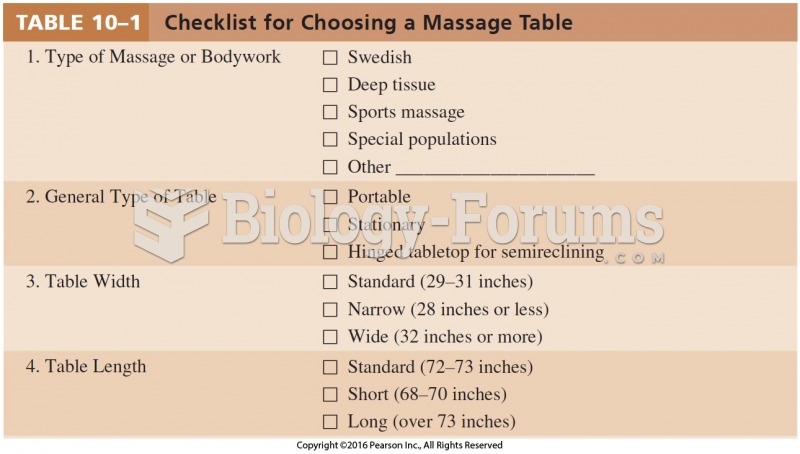 Checklist for Choosing a Massage Table
 (A) A brisk half-moon stroke is an efficient technique to use with the body brush or exfoliation ...
 Naturalistic Observation
 Behavioral Isolation in Jumping Spiders