This topic contains a solution. Click here to go to the answer

Author Question: A visual aid is an object, picture, drawing, map, poster, chart, or other image that helps the ... (Read 166 times)

evelyn o bentley

  • Hero Member
  • *****
  • Posts: 564
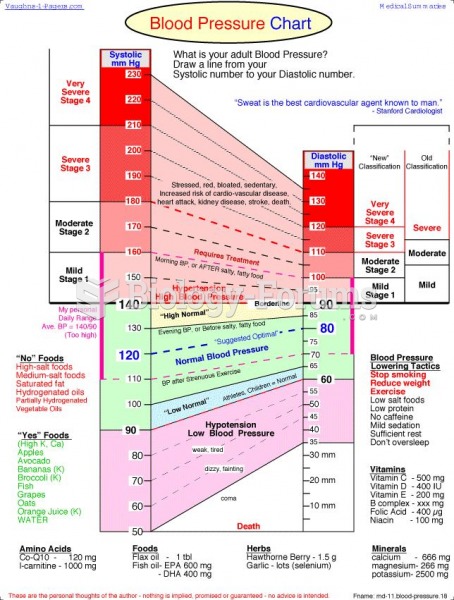
A visual aid is an object, picture, drawing, map, poster, chart, or other image that helps the audience or reader
  understand data or concepts.
 
 
  Indicate whether the statement is true or false

Question 2

For a formal report
 
 a. do not use headings to organize and present the data
  b. use different margin settings for each page
  c. use parallel form for headings of the same level
  d. including visual aids, such as tables, is not appropriate


Related Topics

Need homework help now?

Ask unlimited questions for free

Ask a Question
Marked as best answer by a Subject Expert

meltdown117

  • Sr. Member
  • ****
  • Posts: 326
Answer to Question 1

T

Answer to Question 2

C


evelyn o bentley

  • Member
  • Posts: 564
Reply 2 on: Jun 23, 2018
Great answer, keep it coming :)


mjenn52

  • Member
  • Posts: 351
Reply 3 on: Yesterday
Excellent


Did you know?

Today, nearly 8 out of 10 pregnant women living with HIV (about 1.1 million), receive antiretrovirals.

Did you know?

Cucumber slices relieve headaches by tightening blood vessels, reducing blood flow to the area, and relieving pressure.

Did you know?

When taking monoamine oxidase inhibitors, people should avoid a variety of foods, which include alcoholic beverages, bean curd, broad (fava) bean pods, cheese, fish, ginseng, protein extracts, meat, sauerkraut, shrimp paste, soups, and yeast.

Did you know?

The top 10 most important tips that will help you grow old gracefully include (1) quit smoking, (2) keep your weight down, (3) take supplements, (4) skip a meal each day or fast 1 day per week, (5) get a pet, (6) get medical help for chronic pain, (7) walk regularly, (8) reduce arguments, (9) put live plants in your living space, and (10) do some weight training.

Did you know?

It is believed that the Incas used anesthesia. Evidence supports the theory that shamans chewed cocoa leaves and drilled holes into the heads of patients (letting evil spirits escape), spitting into the wounds they made. The mixture of cocaine, saliva, and resin numbed the site enough to allow hours of drilling.

For a complete list of videos, visit our video library