Which of the following is or are true of a placebo?
a) Placebos are used in randomized clinical trials.
b) Placebos contain the currently most effective treatment for a condition.
c) Participants who receive a placebo during a trial know that they are receiving a placebo.
d) all of these choices
Question 2
The basic requirement that must be met for an experiment to be morally legitimate is that
a) the experiment must be beneficial to the subject.
b) the experiment must be beneficial to mankind.
c) the subject must have given informed consent to be involved.
d) the experiment must be legally permissible.


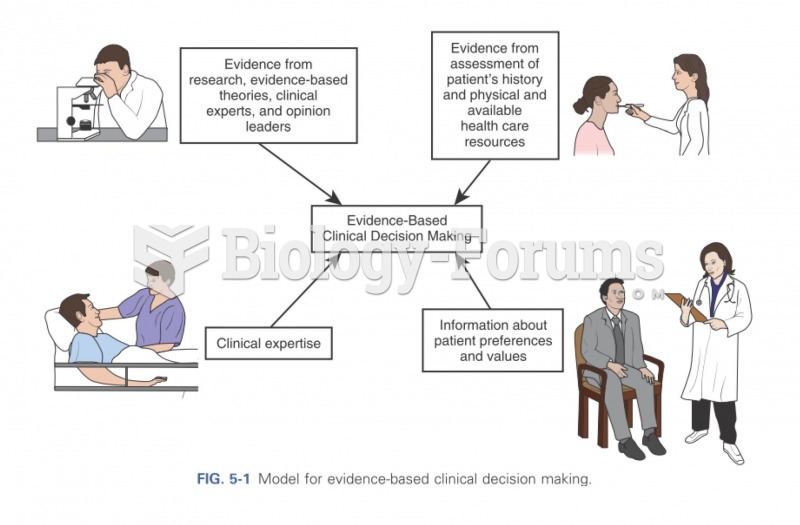 Model for evidence-based clinical decision making.
 Model of a nursing clinical decision support system
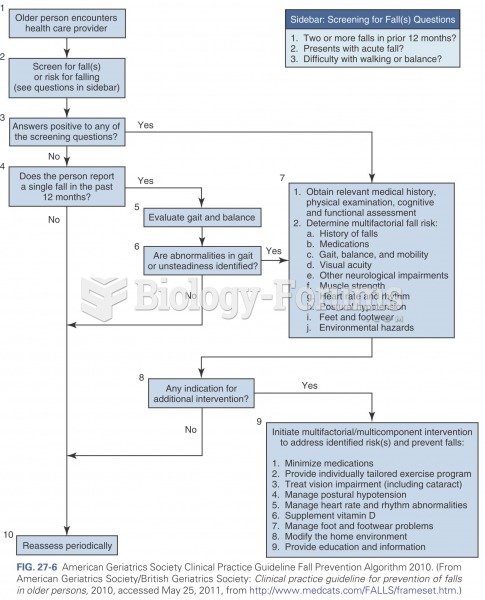 American geriatrics society clinical guideline
 Effects of a Placebo on μ-Opioid Neurotransmission
 Clinical Laboratory Microbiology: A Practical Approach
 Administrative and Clinical Procedures for the Canadian Health Professional, 4/E