Answer to Question 1
ANS: D
Clients should be allowed to ventilate their feelings of anger and despair after a catastrophic event. The nurse establishes rapport through active listening and honest communication and by recognizing cues that the client wishes to talk. Asking whether the client is in pain as the first response closes the door to open communication and limits the client's options. Simply telling the client to stop yelling and to gain control does nothing to promote therapeutic communication.
Answer to Question 2
ANS: A
To prevent staff post-traumatic stress disorder during a mass casualty event, the nurses should use available counseling, encourage and support co-workers, monitor each other's stress level and performance, take breaks when needed, talk about feelings with staff and managers, and drink plenty of water and eat healthy snacks for energy. Nurses should also keep in touch with family, friends, and significant others, and not work for more than 12 hours per day. Encouraging counseling upon deactivation of the plan, or after the emergency response is over, does not prevent stress during the casualty event. Assigning staff to unfamiliar roles or units may increase situational stress and is not an approach to prevent post-traumatic stress disorder.


 The thick bark of the cork oak of the Mediterranean region protects the tree from fire.
 Cuy being raised at home in the traditional Andean fashion
 The skimmers or perchers and their relatives form the Libellulidae, the largest dragonfly family in
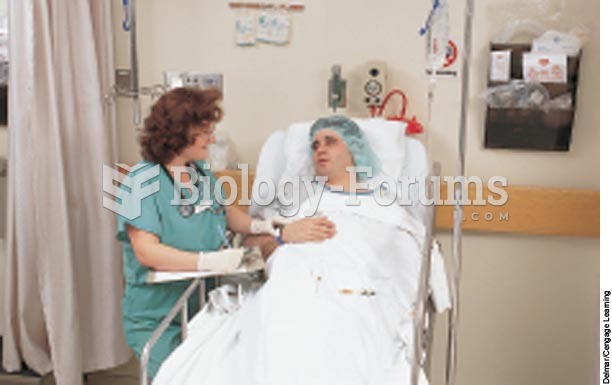 A nurse prepares a client for anesthesia and surgery.
 To search for the Native American family would be fruitless. There are rural, urban, single-parent, ...
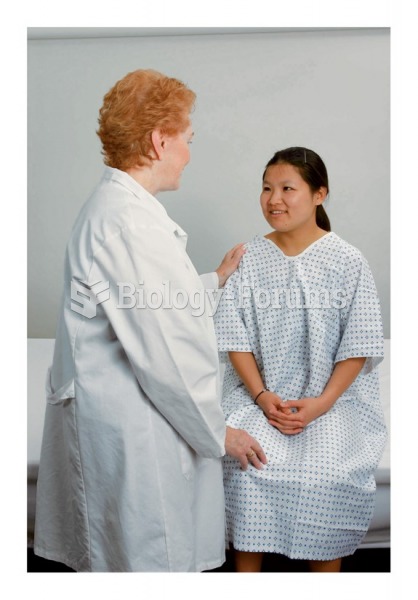 Positioning of client