In making the Malthusian Prediction, Reverend Malthus assumed that:
a. technological advance would be rapid; the supply of capital was unlimited; birth control techniques would limit population growth.
b. there would be little if any technological advance; the supply of capital was fixed; birth control techniques would limit population growth.
c. the supply of land was fixed in quantity; there would be little if any technological advance; the sexual desires of humans would work to increase production.
d. the supply of land was fixed in quantity; technological advances would be rapid; the sexual desire of humans would lead to rapid population growth.
Question 2
Which of the following ideas is illustrated by the production possibilities curve PPC?
a. There are no limits on the total production feasible in an economy.
b. An economy need not decrease the production of one commodity to increase the production of another.
c. It is possible to satisfy unlimited wants in an economy through proper investment in research and development.
d. When an economy chooses to produce a combination of goods and services, other combinations of goods and services are sacrificed.
e. An economy can specialize in the production of only one good.


 Some uses of recombinant DNA technology for making improved vaccines
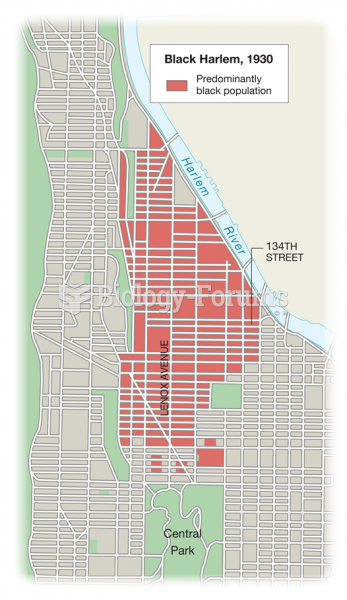 The Making of Black Harlem
 The Making of a Protein
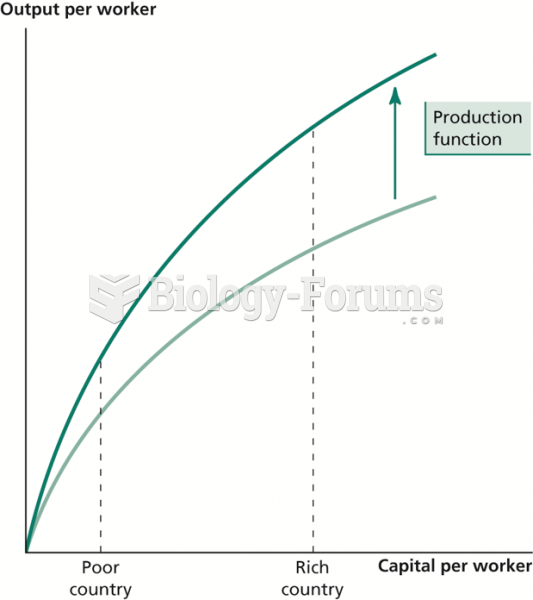 Neutral Technological Change
 Which of the buffers below would be the BEST choice for making a solution capable of buffering ...
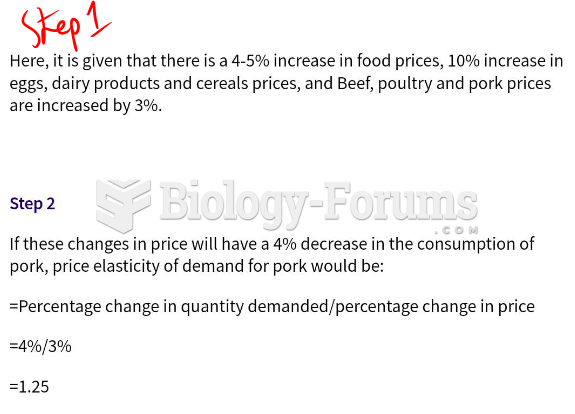 "The Department of Agriculture came out today with its prediction for food price