A patient who has a mandibular structural abnormality has just been admitted to the postsurgical unit from the PACU following surgical remodeling. To ensure this patient's safety, what action should the nurse prioritize?
A) Ensuring that suction tubing and a deep suction catheter are available at the bedside
B) Maintaining all four of the patient's bed rails in a raised position
C) Encouraging the patient to temporarily use a bedpan rather than a commode or toilet
D) Ensuring that wire cutters or scissors are available at the patient's bedside
Question 2
A surgical nurse is careful to include an assessment question addressing latex allergies for each patient who is admitted to the surgical day care unit.
This nurse should be aware that which of the following patients tend to have an increased risk of latex allergies?
A) Patients who have undergone multiple surgeries and medical procedures
B) Patients who have autoimmune diseases such as rheumatoid arthritis
C) Patients who have decreased neutrophil counts
D) Patients who have type 1 or type 2 diabetes mellitus


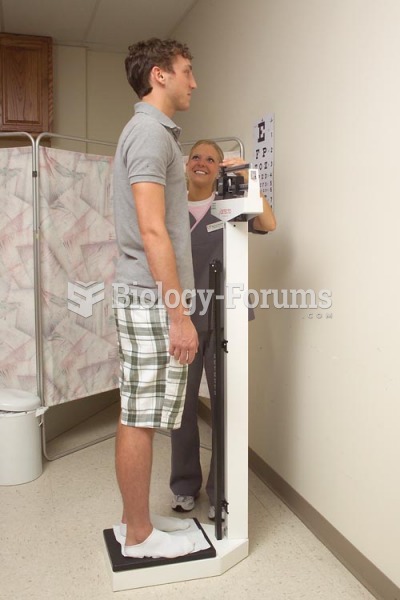 Measuring Patient Height
 Electroencephalography (EEG). To perform the EEG, electrodes attached to the patient’s head pick up
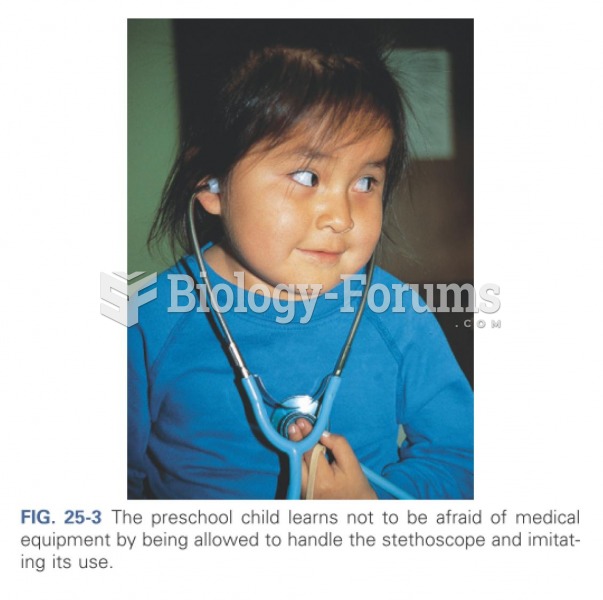 Patient learns to not be afraid
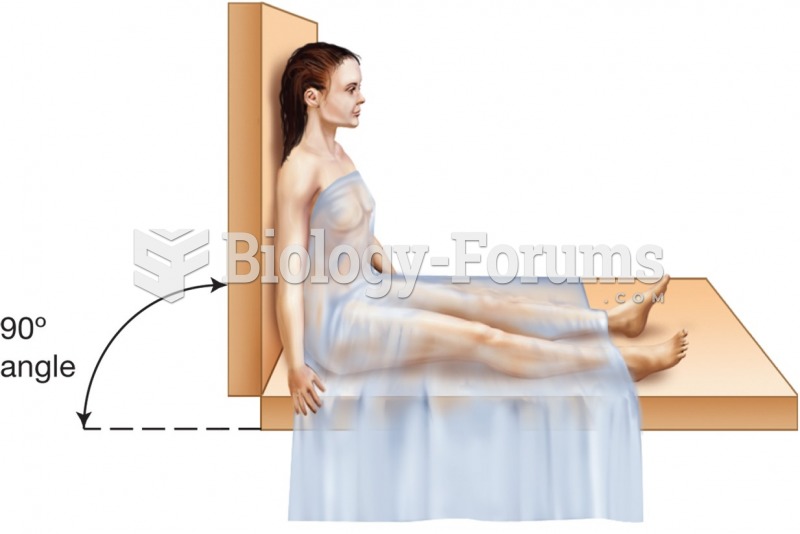 Positioning the Patient in the Fowler’s Position
 Koplik spots in the mouth of a patient with measles.
 Edentulous patient with pieces of bone that became necrotic and continued to slough off after tooth ...