In general, ____ experience more sleep disturbances than ____ and are at ____ risk for poor academic performance and more physical, social, and emotional problems.
A) men; women; greater
B) women; men; greater
C) men; women; reduced
D) women; men; reduced
E) men; women; equal
Question 2
What are the top three reasons that college students report as affecting their academic performance?
A) anxiety, drug problems, and stress
B) stress, anxiety, and sleep difficulties
C) money problems, sleep difficulties, and alcohol problems
D) loneliness, illness, and money problems
E) relationship problems, stress, and loneliness


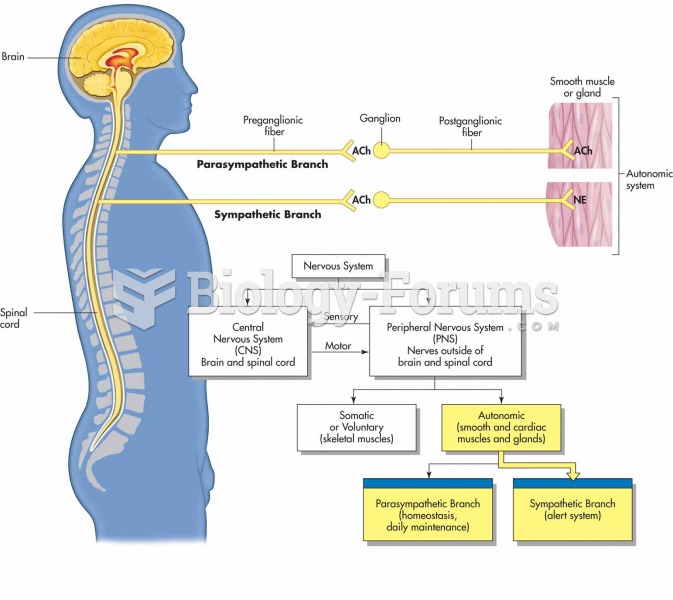 General representation of the autonomic nervous system.
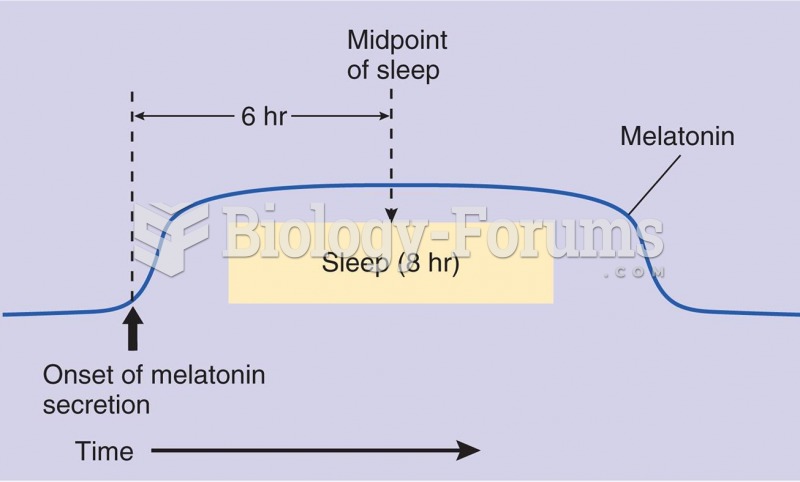 Cycles of Sleep and Melatonin Secretion
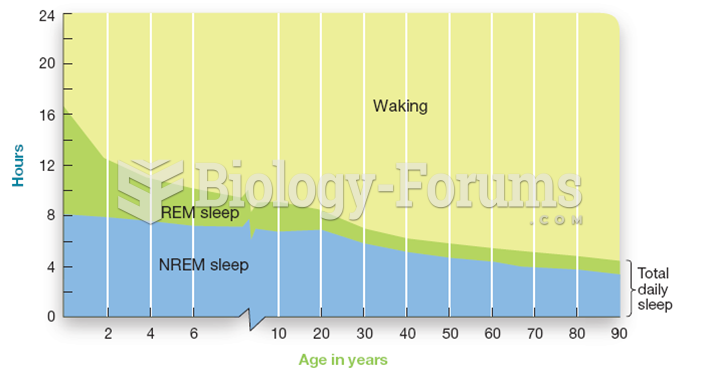 Sleep Requirements Change with Age
 A General Motors linear EGR Valve.
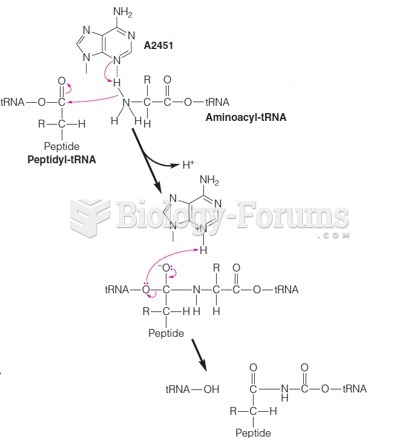 A mechanism for peptidyltransferase involving A2451 (E. coli) as a general base
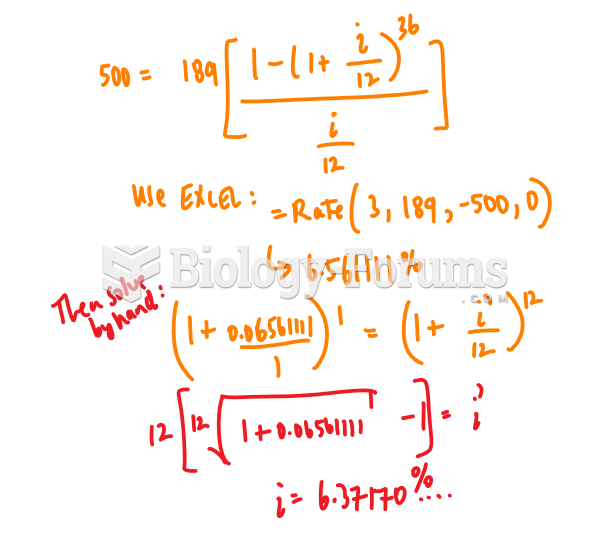 Determine the nominal annual rate of interest of the following ordinary general annuity.