Answer to Question 1
D
Answer to Question 2
The Human Genome Project, sponsored in the United States by the National Institutes of Health and the Department of Energy, began in 1990 and involved hundreds of scientists all over the world. The goal was to find the location of the 100,000 or so human genes and to read the entire genetic script, all 3 billion bits of information, by the year 2005 . The project has succeeded in mapping the human genome. An additional goal is an attempt to understand the molecular bases of genetic diseases. This project would be inconceivable without computers and the Internet. Computers are used to keep track of the genes as they are identified; this prevents duplication of effort and ensures that no genes are overlooked. The Internet allows findings to be immediately communicated to scientists working on the project anywhere in the world.


 In the communication technique of collaborating, the nurse sends the message that the nurse and pati
 Photo of the neck of a patient with non-Hodgkin’s lymphoma showing the swelling associated with enla
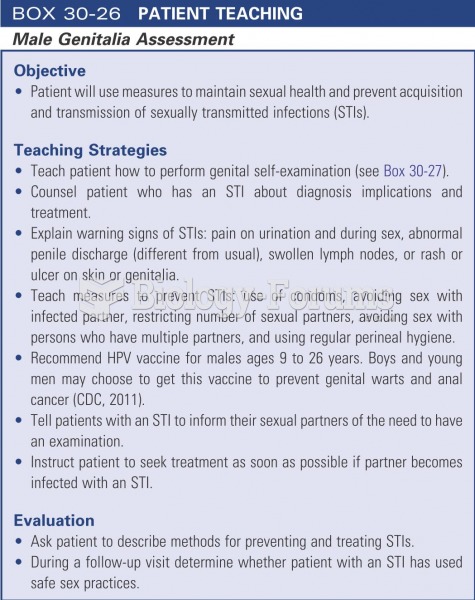 Patient teaching: male genetalia assessment
 Earth emits radiation back out to space from all surfaces, both day and night
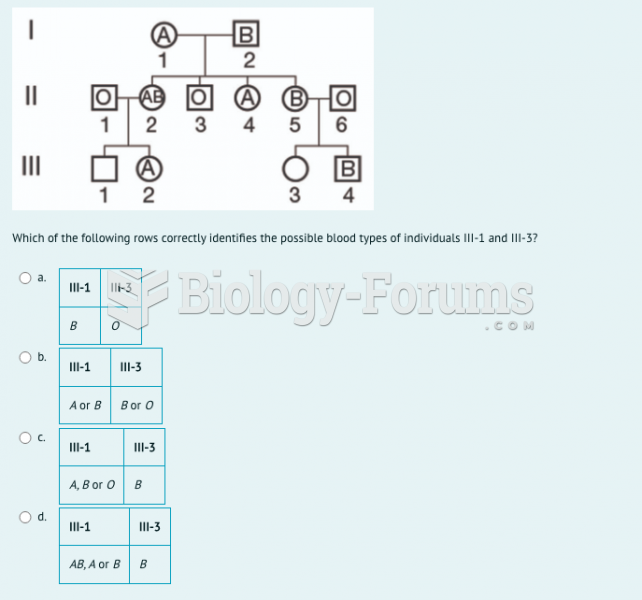 ANSWERS TO THIS PICTURE PLEASE
 ANSWER TO THE PICTURE PLEASE