The mother of a 13-year-old child with conduct disorder says, Oh, fighting and stealingyeah, he's always been this way. In fact, when he was 8 years old, he was already in trouble with the law.
How should a nurse interpret this information?
A) Childhood-onset conduct disorder is more severe than the adolescent-onset type, and these individuals likely develop antisocial personality disorder in adulthood.
B) Childhood-onset conduct disorder is caused by a difficult temperament, and the child is likely to outgrow these behaviors by adulthood.
C) Childhood-onset conduct disorder is diagnosed only when behaviors emerge before the age of 8 years, so the client is likely to improve.
D) Childhood-onset conduct disorder has no treatment or cure, and children with this diagnosis should be removed from society because they are likely to develop antisocial personality disorder.
Question 2
Sigmund Freud described the unconscious, most primitive part of the personality, as the ___________________ _.
Fill in the blank(s) with correct word


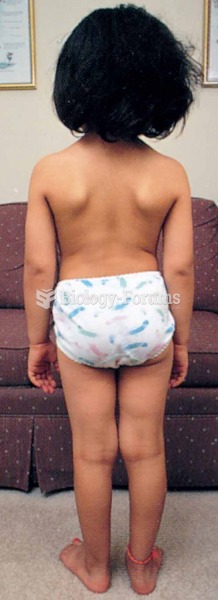 Does this child have legs of different lengths or scoliosis? Look at the level of the iliac crests a
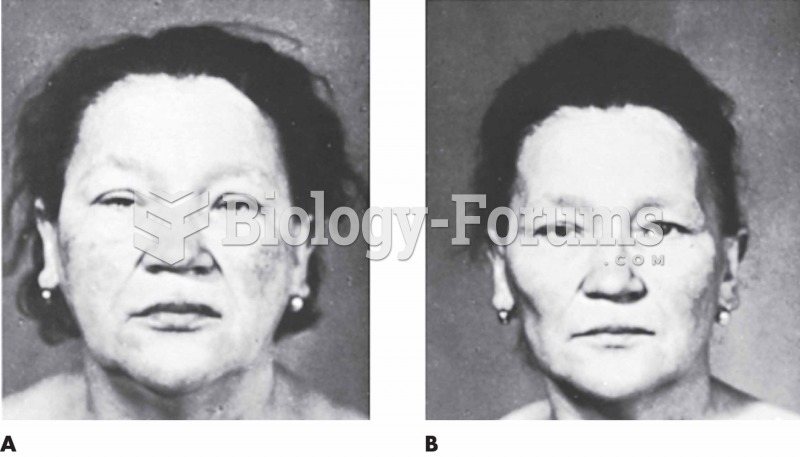 (A) A 62-year-old patient with myxedema exhibiting marked edema of the face and a somnolent look. Th
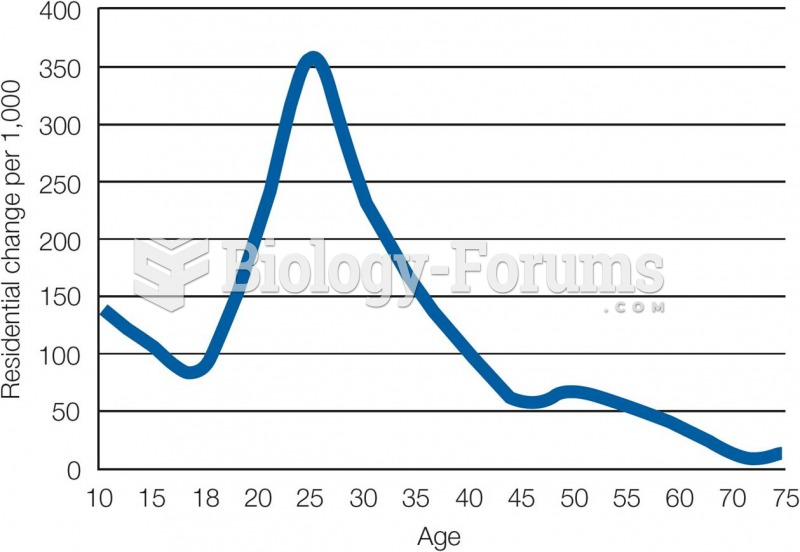 Rate of Residential Change, Past Year, in the United States
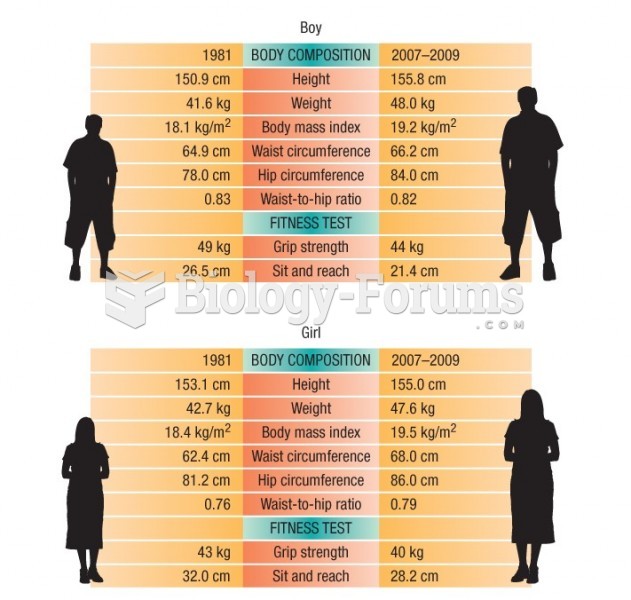 Portrait of Typical 12-year-old Boy and Girl, 1981 and 2007-2009
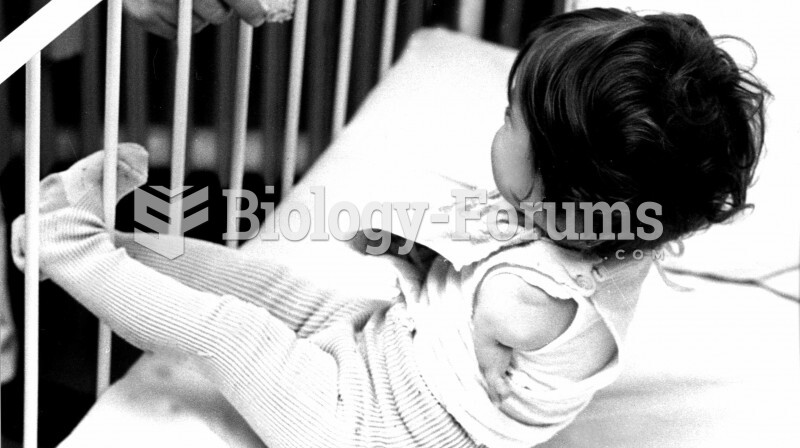 Maimed Child due to Thalidomide