Answer to Question 1ANS:Fertilizers
can be grouped into four categories.
Mineral fertilizers are ground rocks containing nutrients. Dolomitic lime is one example. Most
minerals have low nutrient content and dissolve very slowly, so their usefulness as fertilizers is
limited. Because of low nutrient content and high shipping costs, mineral fertilizers tend to be
expensive per unit nutrient.
Organic fertilizers are organic materials, such as blood meal, that contain nutrients. Can be considered
slow-release fertilizers because nutrients are released slowly over the growing season as the organic
matter decays. They tend to be expensive per unit nutrient.
Synthetic organic fertilizers are manufactured by industry but are chemically organic (contain carbon
and hydrogen). Urea is readily available to plants, but others, mostly urea derivatives, are made to be
slow release. Nutrient content is generally high compared to mineral or natural organic fertilizers.
Inorganic fertilizers are mined and processed or manufactured and chemically inorganic. Most dissolve
quickly in the soil for rapid growth response. The concentrated content of inorganic fertilizers reduces
shipping costs, making them generally less expensive per unit nutrient than other sources.
Fertilizers are provided or applied in a number of forms, giving growers several choices of application
methods. The forms can be divided into four main groups: pressurized liquids, fluids, dry fertilizers,
and slow-release fertilizers.
Pressurized liquidsInjected into the soil.
Fluid fertilizersCan be sprayed, injected into soil, or mixed into irrigation water or with
other crop chemicals.
Dry fertilizersInclude pulverized fertilizers, granules, and prills
Slow-release fertilizersDry in form; dissolve in soil solution slowly
Answer to Question 2ANS: Haber


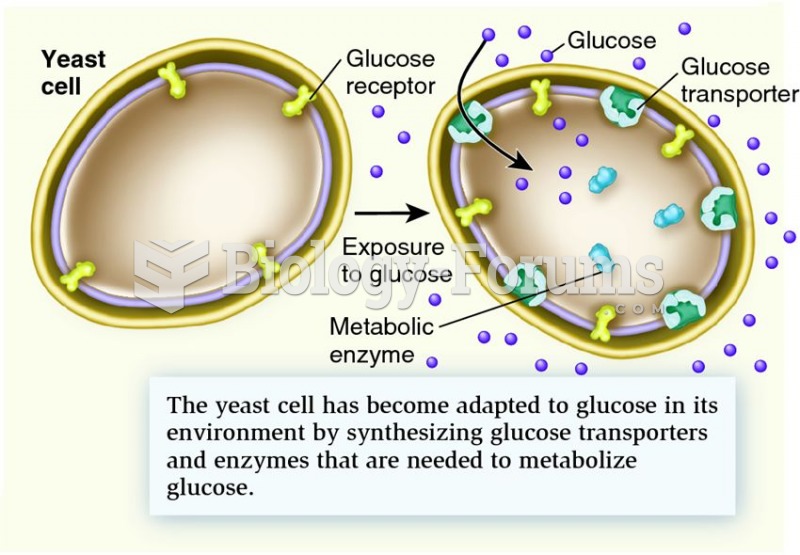 Response of a yeast cell to glucose
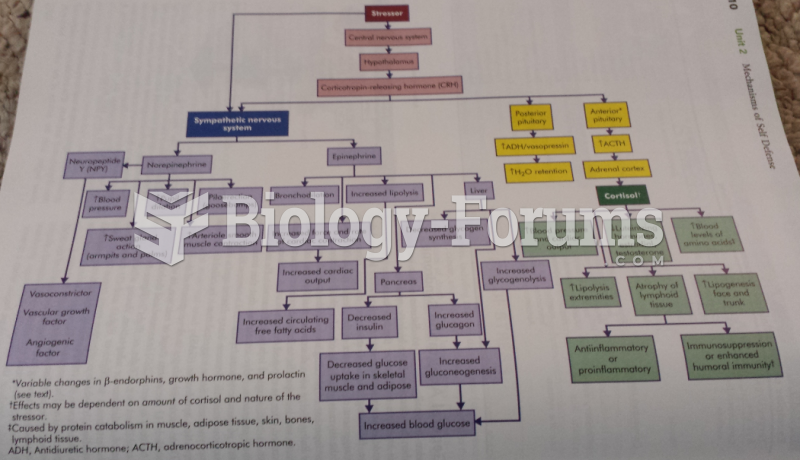 Stress Response
 What are examples of ideal forms?
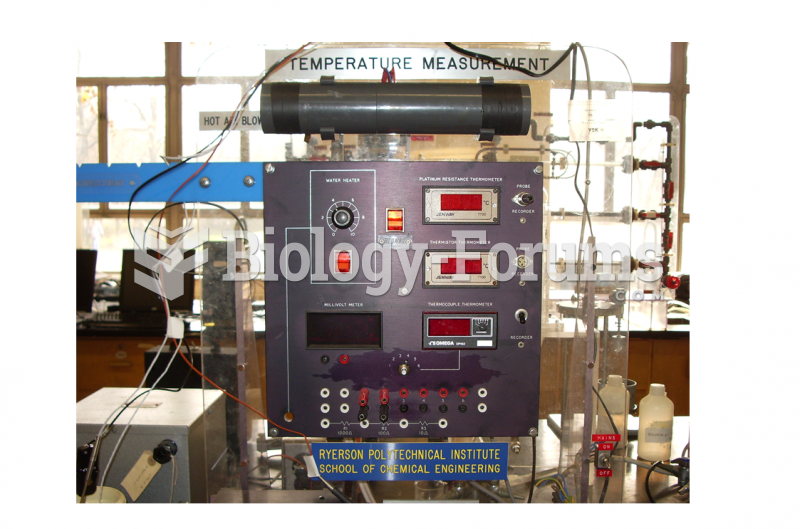 Dynamic Response of Thermometers Experiment
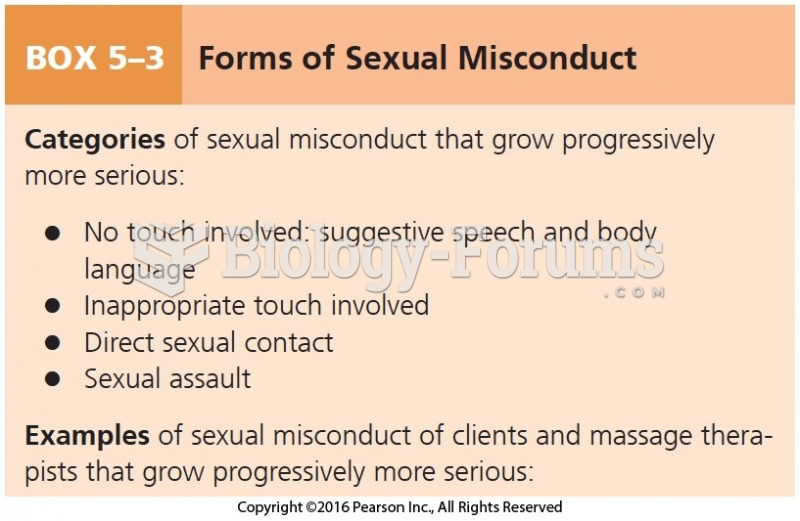 Forms of Sexual Misconduct
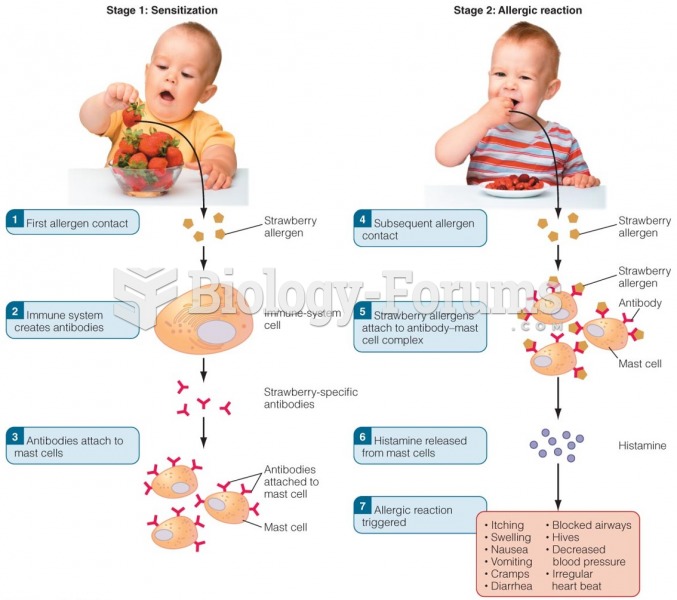 Immune Response to a Food Allergen