
This topic contains a solution. Click here to go to the answer
|
|
|

 Chair made from tree
 The Structure of an Old High-Mass Star
 Spectrum of a High-Redshift Quasar
 Emanuel Leutze’s Washington Crossing the Delaware (1851) is riddled with historical inaccuracies, mo
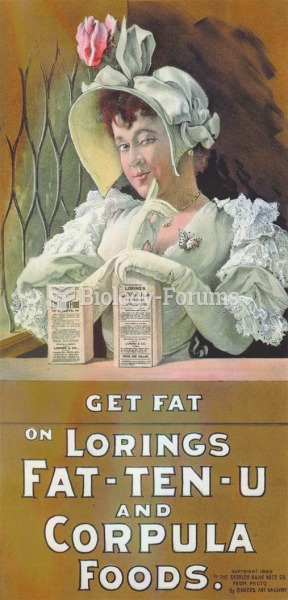 Early in the twentieth century, when malnutrition was common, companies such as this one advertised
 The distribution of high-energy, nutritious biscuits was a lifeline in the first days after the 2010