This topic contains a solution. Click here to go to the answer

Author Question: What internal temperatures correspond to rare, medium, and well-done ... (Read 94 times)

dollx

  • Hero Member
  • *****
  • Posts: 558
What internal temperatures correspond to rare, medium, and well-done beef?

Question 2

Identify the wholesale cuts of beef and name a retail cut that is derived from each of the wholesale cuts. Also indicate what cooking technique you would use for the retail cut.


Related Topics

Need homework help now?

Ask unlimited questions for free

Ask a Question
Marked as best answer by a Subject Expert

kjohnson

  • Sr. Member
  • ****
  • Posts: 330
Answer to Question 1

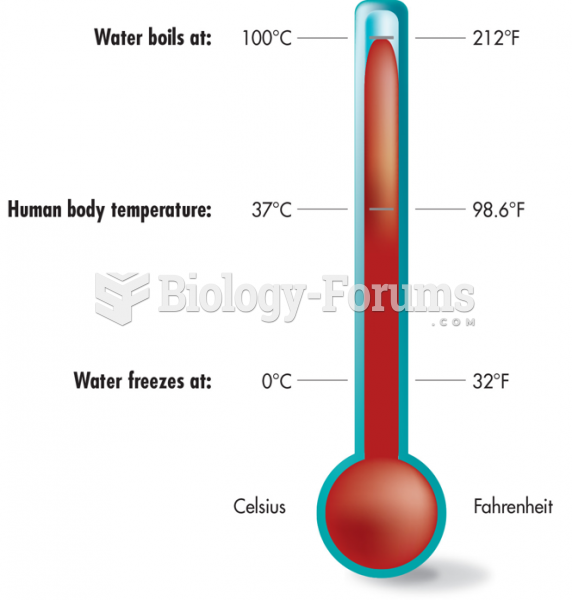
Rare: 140F (60C); medium: 160F (70C); well-done: 170F (77C).

Answer to Question 2

Rib, short loin, sirloin, chuck, round, flank, short plate, briskets, and foreshank are all examples of wholesale cuts. Sirloin steak is one example of a retail cut. Sirloin steak should be broiled, pan-broiled, or pan-fried.


dollx

  • Hero Member
  • *****
  • Posts: 558
Both answers were spot on, thank you once again


kjohnson

  • Sr. Member
  • ****
  • Posts: 330
Great! Please up vote :D


Did you know?

The longest a person has survived after a heart transplant is 24 years.

Did you know?

Essential fatty acids have been shown to be effective against ulcers, asthma, dental cavities, and skin disorders such as acne.

Did you know?

Famous people who died from poisoning or drug overdose include, Adolf Hitler, Socrates, Juan Ponce de Leon, Marilyn Monroe, Judy Garland, and John Belushi.

Did you know?

All adverse reactions are commonly charted in red ink in the patient's record and usually are noted on the front of the chart. Failure to follow correct documentation procedures may result in malpractice lawsuits.

Did you know?

There used to be a metric calendar, as well as metric clocks. The metric calendar, or "French Republican Calendar" divided the year into 12 months, but each month was divided into three 10-day weeks. Each day had 10 decimal hours. Each hour had 100 decimal minutes. Due to lack of popularity, the metric clocks and calendars were ended in 1795, three years after they had been first marketed.

For a complete list of videos, visit our video library