Question 1
Compare and contrast the four major kinds of stressors.
Question 2
Mini-Case: Mary is currently going to college "full-time"; after four years, she is finally a junior! Throughout her college career, she has worked 20-30 hours per week as a waitress at a local restaurant. In her first year at college, she enrolled in a one-hour course that focused on "managing stress." The professor in the course recommended that each student keep a daily journal to record his/her activities. Mary had faithfully kept a journal since taking that course. For the week of March 8, Mary's journal indicated the following entries:
Monday, March 9: No entry.
Tuesday, March 10: Well, it happened again, I can't believe my roommate is so stubborn. How many times are we going to argue over her stupid cat using my plants as the cat box? I get so depressed when I argue with her!
Wednesday, March 11: I received a speeding ticket on my way to school. I have to remember to go a different way to school!
Thursday, March 12: I have a test in Principles of Management next Monday ... the first one this semester. I've heard her tests are real hard. Gee, I hate multiple-choice tests ... I never do well.
Friday, March 13: I can't believe it's Friday, the 13th! My boss called this morning and asked me to work tonight. I said yes. After I hung up the phone, I remembered I had a group meeting tonight to discuss a marketing case that has to be presented next Wednesday. I wasn't able to contact anyone from my group. Gee, I never seem to have enough hours in the day to get everything done!
Indicate the main type of stressor(s) Mary experienced on each day she recorded a journal entry. Provide support for your answer.


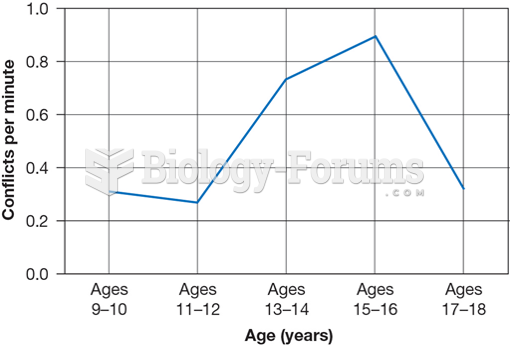 Observed Mother–Child Arguments at Five Time Points Over an Eight-Year Period
 The Gender Pay Gap Over Time: What Percentage of Men's Income Do Women Earn?
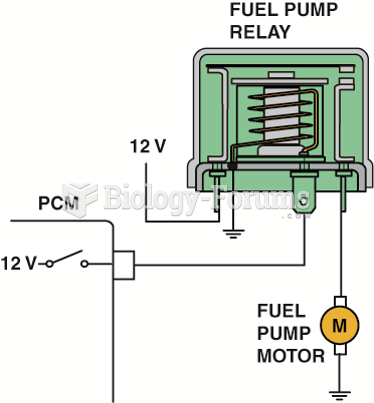 A typical output driver. In this case, the PCM applies voltage to the fuel pump relay coil to ...
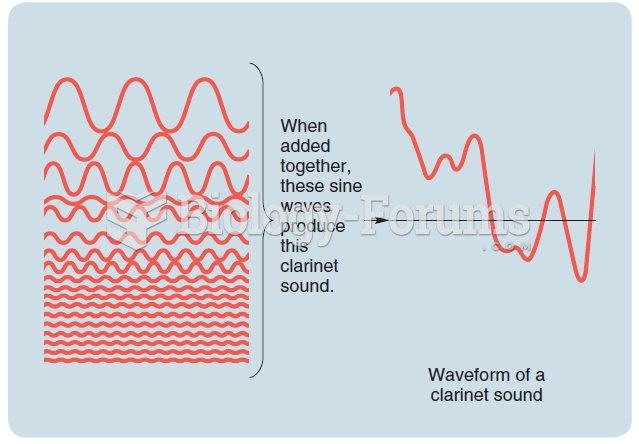 The breaking down of a sound—in this case, the sound of a clarinet—into its component sine waves ...
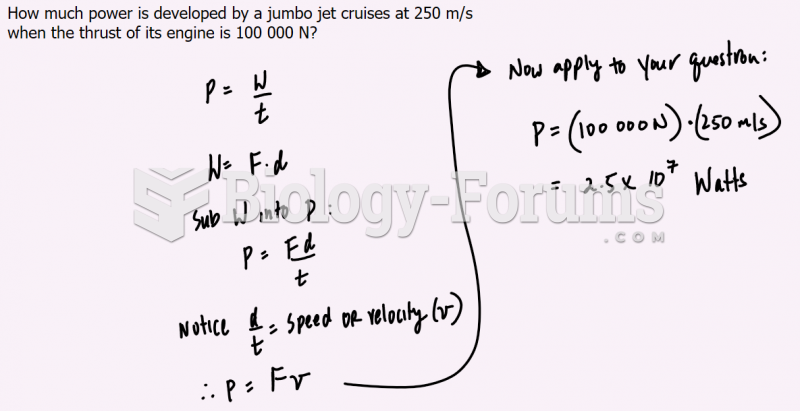 Physics: Power, Energy and Time
 Earth 65 Million Years Ago