In the large-scale evaluation of Sesame Street during its first season, what research method was applied?
a. Before-after skills/knowledge testing
b. Surveys of teachers
c. Surveys of parents
d. Children's interviews on their satisfaction with the show
Question 2
Miller and Weiss's cross-sectional experiment with children at ages seven, 10, and 13 assessed selective attention with which methodology?
a. EEG brain wave recordings when various objects were seen
b. Interviews with each child on how closely they attended
c. Parental interviews about the child's distractibility
d. Asking about unattended details shown in the scenes


 Several species of squirrels have melanistic phases. In large parts of United States and Canada, the
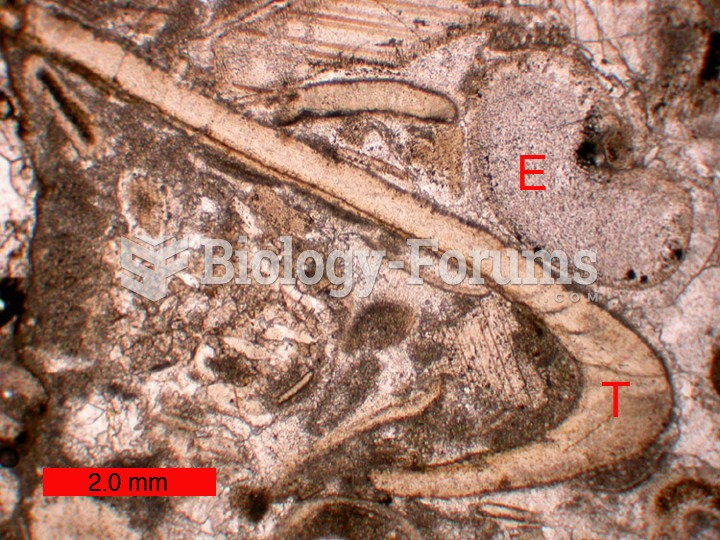 A trilobite fragment (T) in a thin-section of an Ordovician limestone; E=echinoderm; scale bar is 2
 Large Mouse-Ear Hawkweed
 Participant observation, participating and observing in a research setting, is usually supplemented ...
 Performing a Urine Pregnancy Test Using the Enzyme Immunoassay Method
 Rhythmic compression to gluteal muscles using the fist. Press into the large gluteal muscles moving ...