If a restaurant like Buffalo Wild Wings has higher costs than a comparable Hooters restaurant, the only way it can have higher profits is if
A) the demand for its food is higher than the demand for food at Hooters.
B) it sells the quantity associated with its minimum average total cost.
C) it has more locations than Hooters.
D) its marginal revenue is lower than the marginal revenue of Hooters.
Question 2
Refer to Figure 15-3. Suppose the monopolist represented in the diagram above produces positive output. What is the profit/loss per unit?
A) loss of 7 per unit B) profit of 14 per unit
C) profit of 30 per unit D) loss of 21 per unit


 The tarsier is a haplorhine, and may represent an evolutionary bridge between lower and higher prima
 Monozygotic twins’ scores for five personality factors show higher correlations than scores for ...
 If the gauge reading is now much higher than the first test results, then the cause of the low ...
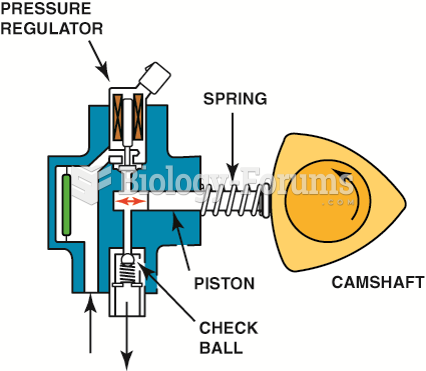 A typical camshaft-driven high-pressure pump used to increase fuel pressure to 2,000 PSI or higher.
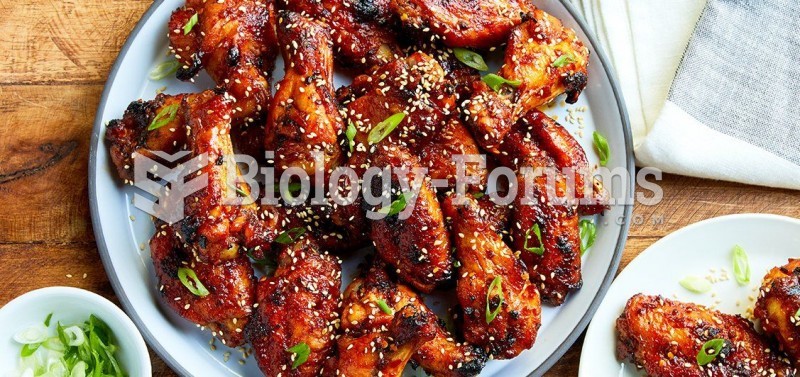 Wings
Wings
 Sweet chicken wings