A study by the Academy of Sciences found that by the time a typical immigrant with a family dies, that immigrant and his or her children will have paid _____ government benefits.
a. no taxes, despite receiving
b. no more in taxes than they received in
c. 80,000 more in taxes than they received in
d. 80,000 less in taxes than they received in
Question 2
Immigrants are more likely than the rest of the population to _____, which in turn creates jobs and adds strength to local economies.
a. be self-employed and to start their own businesses
b. be college graduates
c. enter the country with significant savings
d. hold white-collar jobs, especially in finance and banking


 A male Lestes dryas in the "spread-winged" posture that gives the family its common name
 Phosphatidylcholine, a typical phosphoglyceride
 The injector on-time is called the pulse width.
 Seydou Keïta UNTITLED (FAMILY PORTRAIT)
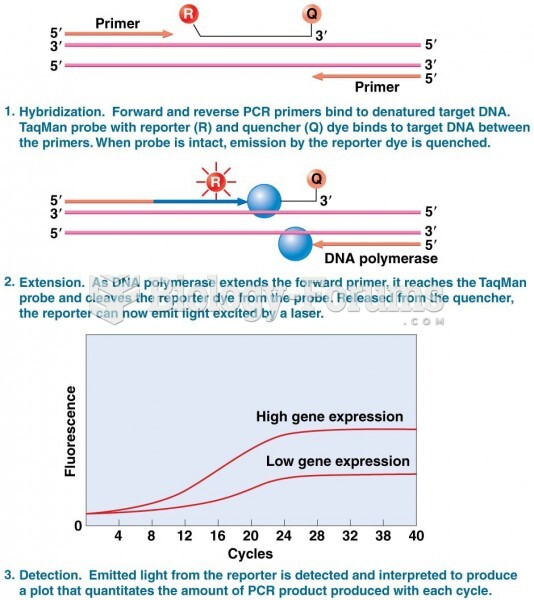 The TaqMan approach to quantitative real-time PCR (qPCR)
 The family described in Example Case 2