
This topic contains a solution. Click here to go to the answer
|
|
|

 For a time Dr. Seuss—Theodor Seuss Geisel—drew political cartoons. This one, published in ...
 Older adulthood can be a time of independence and exploration as responsibilities diminish and the ...
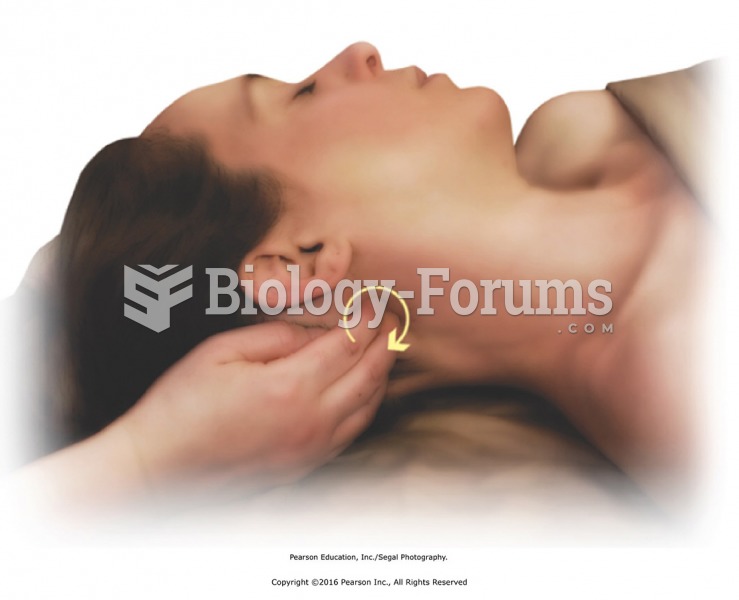 Apply circular friction and direct pressure to suboccipital muscles one side at a time.Turn head to ...
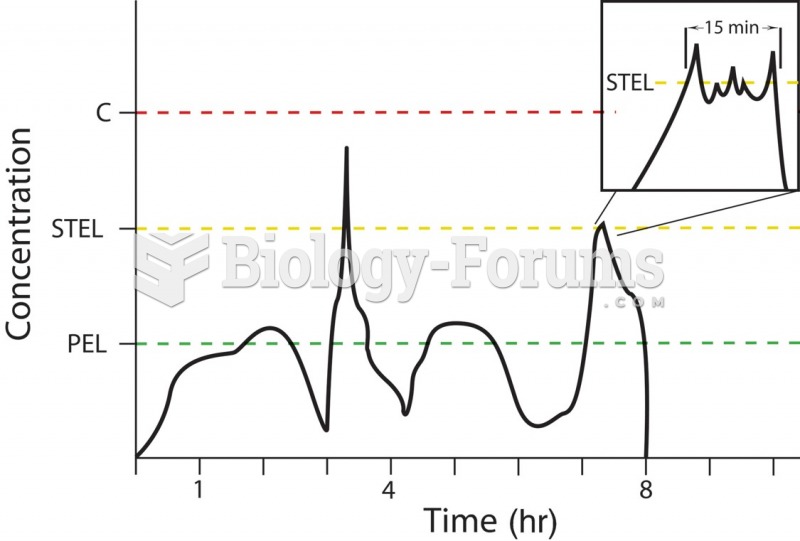 The relationship between the permissible exposure limit (PEL), the short-term exposure limit (STEL), ...
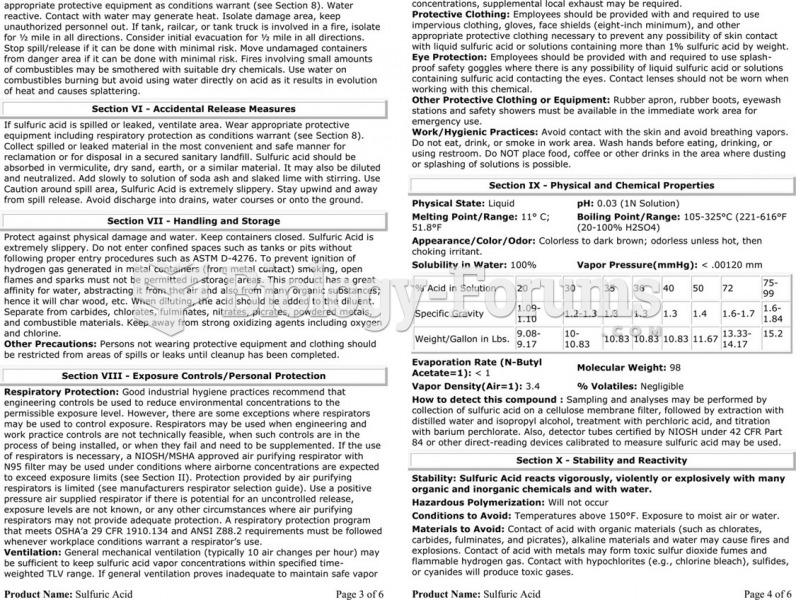 The material safety data sheet (MSDS) for sulfuric acid showing the detailed technical information ...
 Full-term Fetus