In Attribution Theory, locus of control refers to
a. external and internal causes.
b. the recognition that it is possible to change.
c. a mental list evaluating pros and cons of behavior.
d. whether or not individuals can succeed or fail.
Question 2
Which of the following is not an assumption of Deci and Ryan's self-determination theory of motivation?
a. People need to feel in control of their own actions.
b. People need to attribute success to intrinsic factors.
c. People need to believe in external causes.
d. People need to believe they can succeed.


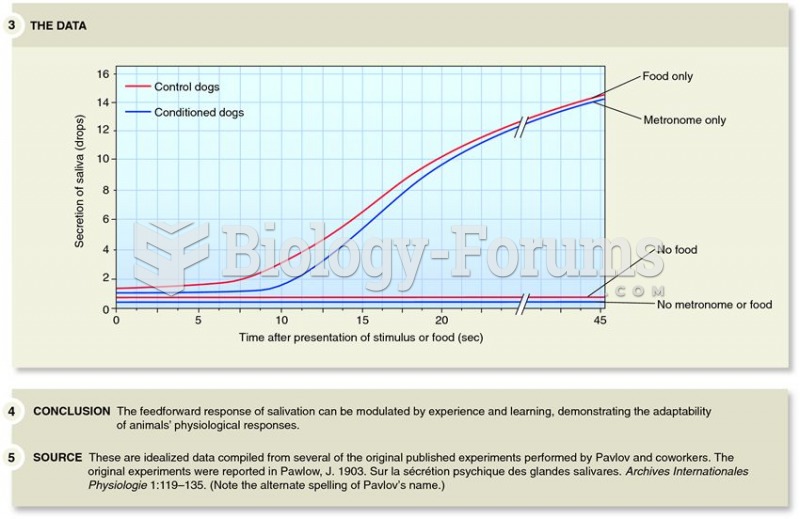 Feedforward events can be conditioned to external stimuli.
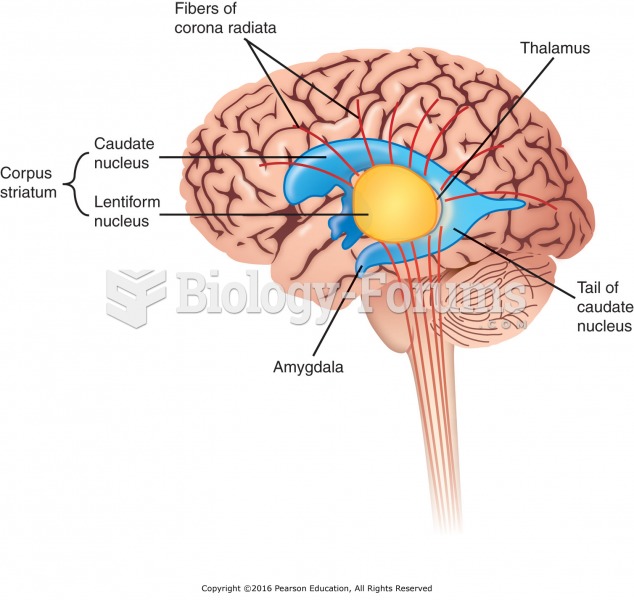 The basal ganglia are clusters of gray matter that control learned movement and are involved with ...
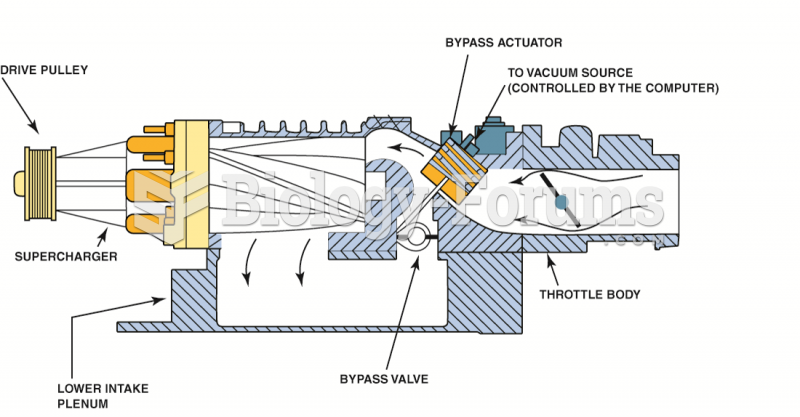 The bypass actuator opens the bypass valve to control boost pressure.
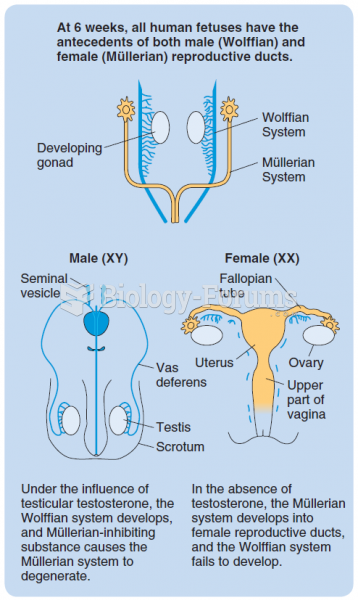 The development of the internal ducts of the male and female reproductive systems from the Wolffian ...
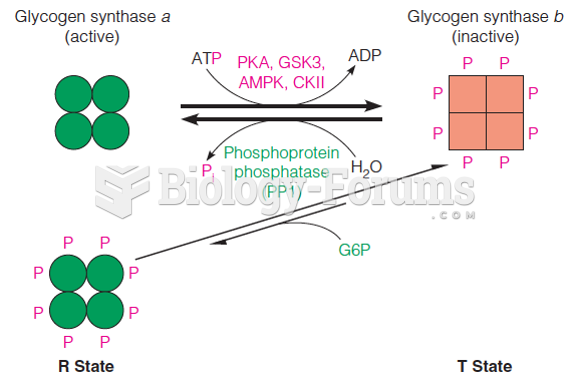 Control of glycogen synthase activity
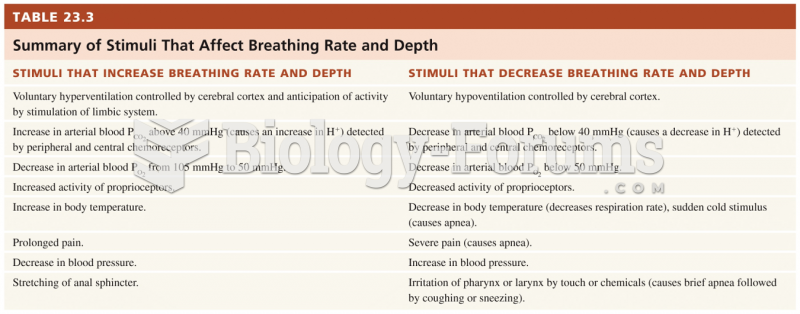 Control of Respiration