This topic contains a solution. Click here to go to the answer

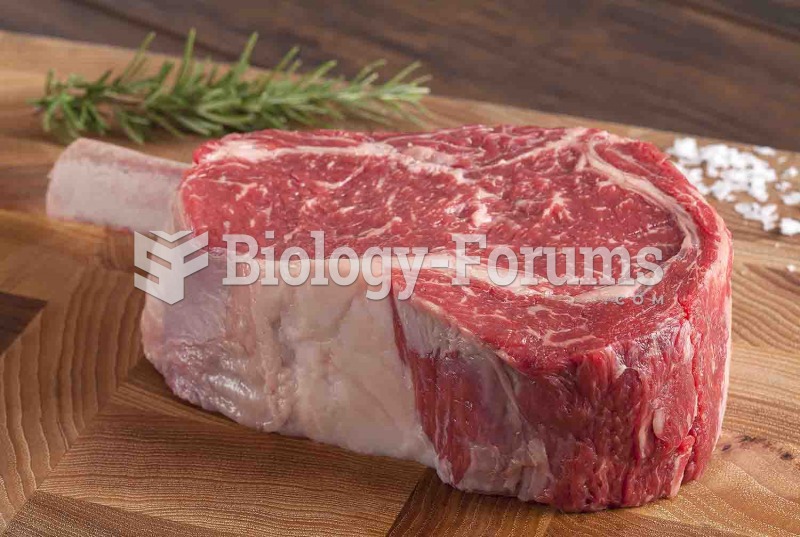
Author Question: Explain the changes in beef as it is roasted to a medium rare degree of doneness. Include color, ... (Read 118 times)

nmorano1

  • Hero Member
  • *****
  • Posts: 598
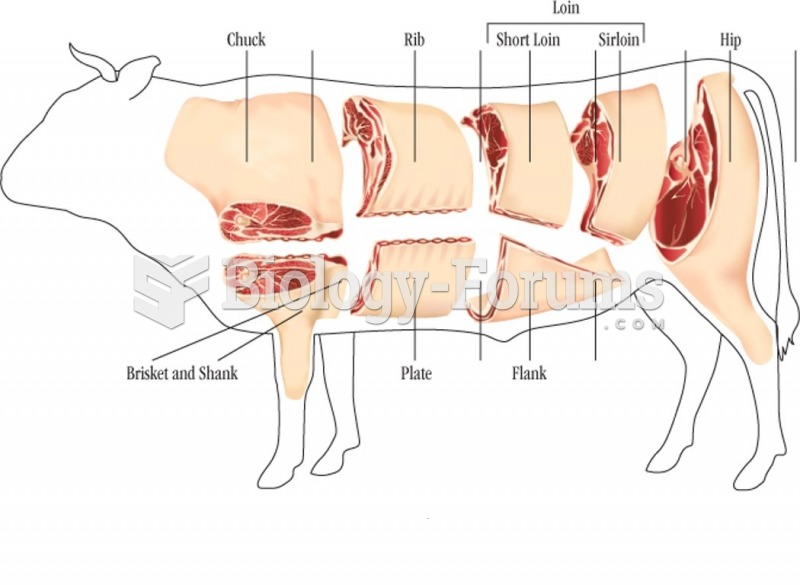
Explain the changes in beef as it is roasted to a medium rare degree of doneness. Include color, tenderness, flavor, muscle proteins, connective tissue, and fat in the discussion.
 
  What will be an ideal response?

Question 2

The effect of acid and of sugar on a gelatinizing starch paste is the same chemically.
 
  Indicate whether the statement is true or false


Related Topics

Need homework help now?

Ask unlimited questions for free

Ask a Question
Marked as best answer by a Subject Expert

kingfahad97

  • Sr. Member
  • ****
  • Posts: 308
Answer to Question 1

Color - Meat color changes from oxymyoglobin to denatured globin hemichrome, the brown cooked meat color. The inside of the meat would be red due to oxymyoglobin. Tenderness - The meat would be tender as it is cooked to a lower endpoint temperature at medium rare. Also, if there was collagenous connective tissue, there would be conversion to gelatin and increased tenderness. Flavor- Cooked meat flavor develops. Muscle proteins - These shorten and toughen. Actin and myosin are denatured. Connective tissue - Collagen is hydrolyzed to gelatin whereas elastin is not affected. Fat - melts.

Answer to Question 2

F


Did you know?

Your chance of developing a kidney stone is 1 in 10. In recent years, approximately 3.7 million people in the United States were diagnosed with a kidney disease.

Did you know?

Your heart beats over 36 million times a year.

Did you know?

There are over 65,000 known species of protozoa. About 10,000 species are parasitic.

Did you know?

Addicts to opiates often avoid treatment because they are afraid of withdrawal. Though unpleasant, with proper management, withdrawal is rarely fatal and passes relatively quickly.

Did you know?

A cataract is a clouding of the eyes' natural lens. As we age, some clouding of the lens may occur. The first sign of a cataract is usually blurry vision. Although glasses and other visual aids may at first help a person with cataracts, surgery may become inevitable. Cataract surgery is very successful in restoring vision, and it is the most frequently performed surgery in the United States.

For a complete list of videos, visit our video library