Answer to Question 1
Wheat allergy and non-celiac gluten sensitivity, in addition to celiac disease, are related to gluten ingestion. Celiac disease is an autoimmune disease characterized by chronic inflammation of the small intestine due to an inherited sensitivity to the gliadin portion of gluten in wheat, rye, and barley. It is associated with the malabsorption of nutrients, nutrient deficiencies, and an increased risk of other immune disorders. Wheat allergy is an allergic reaction onset within minutes to hours after wheat ingestion; wheat-specific antibodies are identified in serum of individuals with wheat allergy. Non-celiac gluten sensitivity elicits adverse reactions similar to those of celiac disease when gluten is consumed. Unlike celiac disease, non-celiac gluten sensitivity is not an autoimmune disease. Neither wheat allergy nor non-celiac gluten sensitivity are related to damage of the small intestine.
Answer to Question 2
a


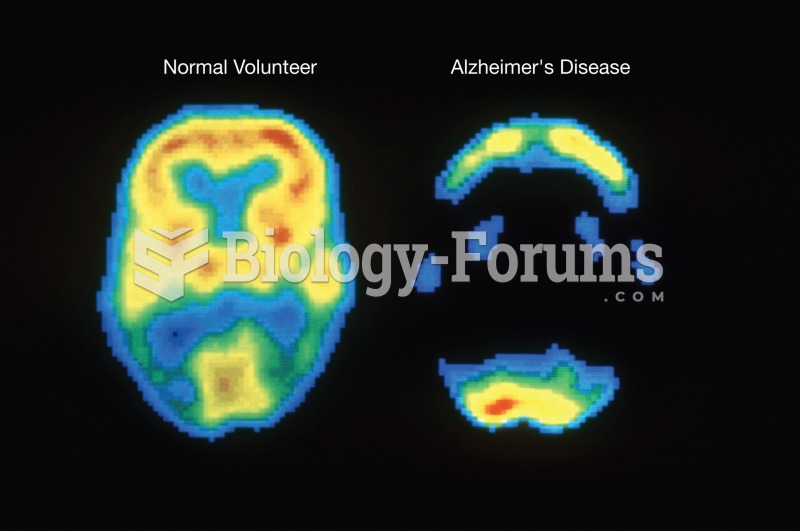 Positron emission tomography (PET) image showing the difference in the metabolic activity of the bra
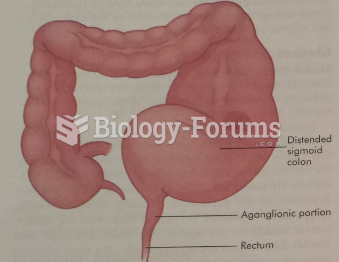 Hirschsprung Disease
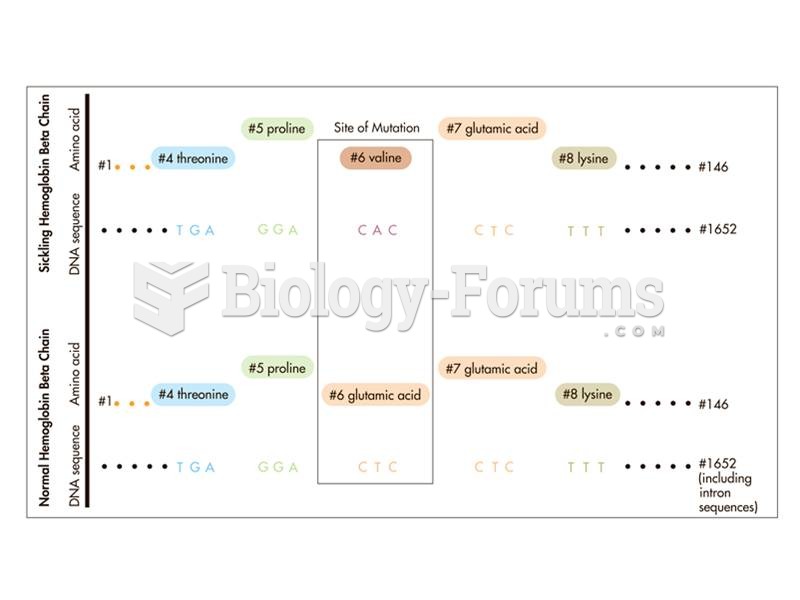 A single base substitution leading to a single amino acid substitution in the hemoglobin beta chain
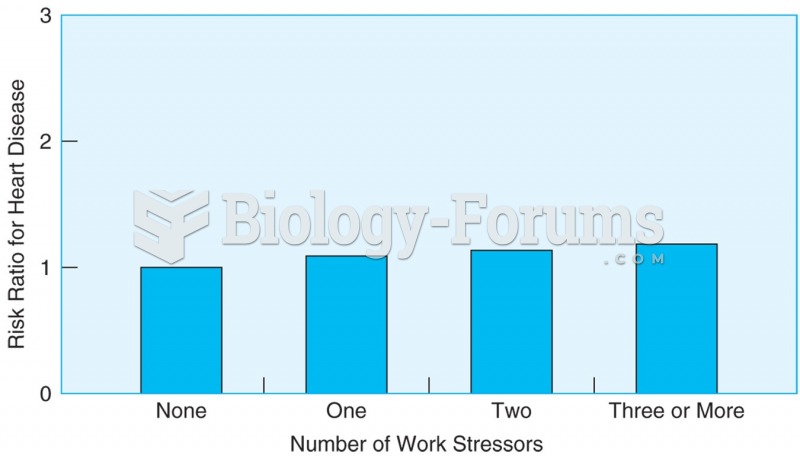 Men who are at risk for heart disease and report work-related stressors are at greater risk of death ...
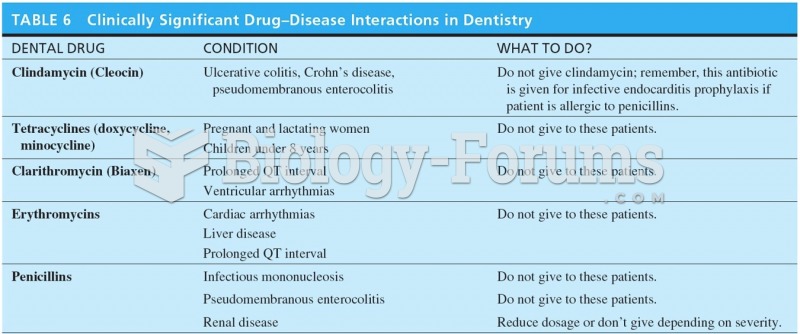 Clinically Significant Drug-Disease Interactions in Dentistry
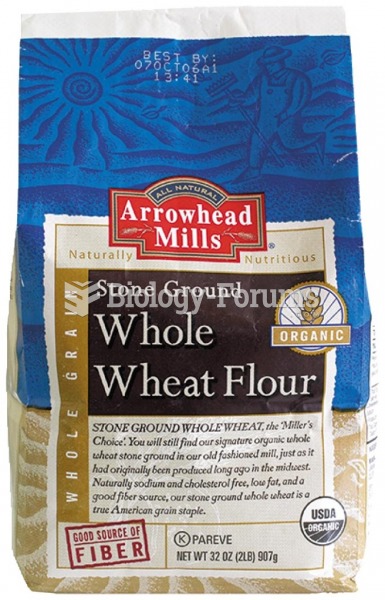 Store vitamin B–rich whole-wheat flour in an airtight container in your refrigerator or freezer