
This topic contains a solution. Click here to go to the answer
|
|
|

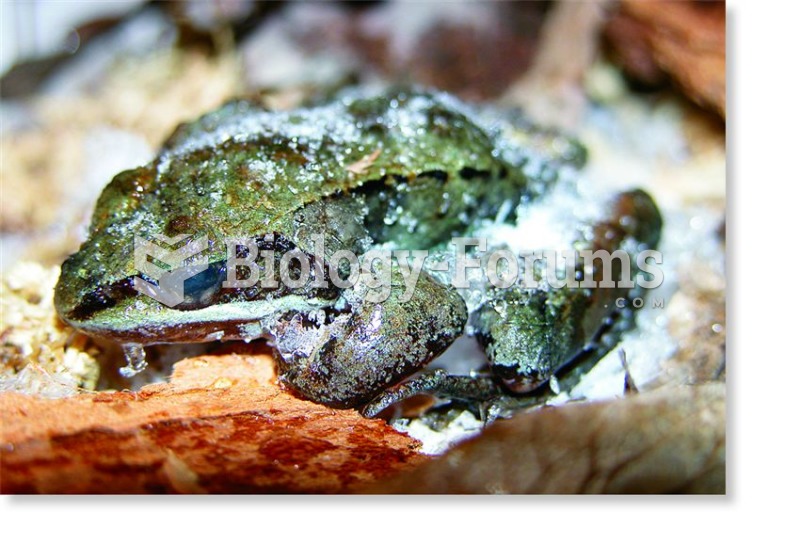 Adaptation to extreme cold in an ectotherm.
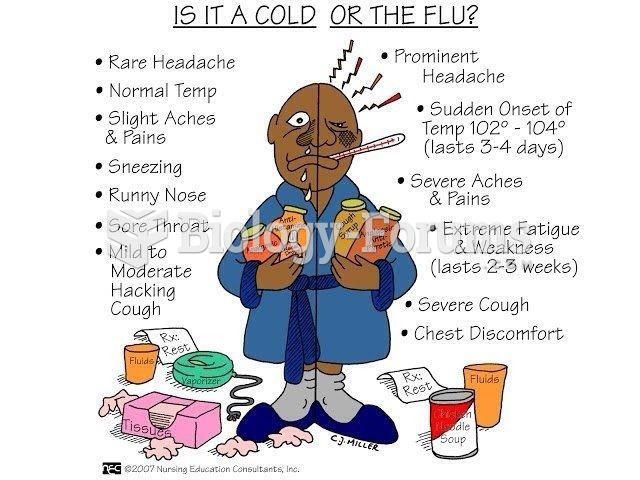 Cold vs Flu
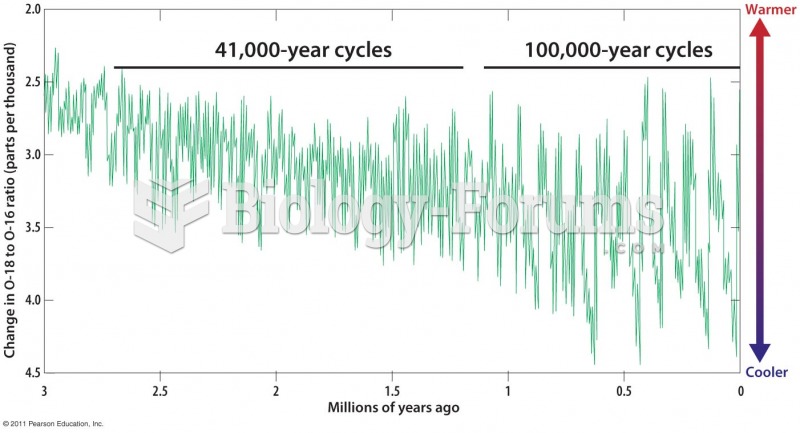 Shifts between Warm and Cold Periods during the Last 3 Million Years
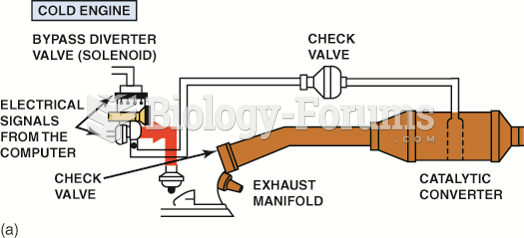 When the engine is cold and before the oxygen sensor is hot enough to achieve closed-loop, the ...
 Instruct recipient on stages of feeling cold. Tell the recipient to let you know right away if cold ...
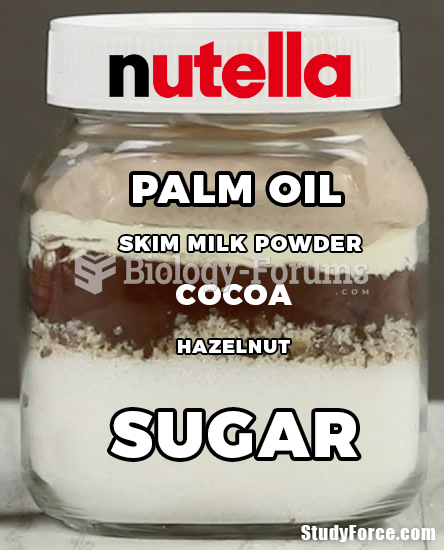 Nutella's raw ingredients